What Is Residential Treatment Like? A Day in the Life at a Recovery Center
Have you ever wondered what really happens inside a residential treatment center? For many facing addiction, the idea of entering a recovery program can bring up a mix of fear, uncertainty, and hope. It’s natural to feel apprehensive about something unfamiliar, especially when it involves such a personal and transformative journey. Understanding the daily structure and support system in place can help demystify the process and highlight why residential treatment is often a critical step toward lasting sobriety.
Addiction can feel like an isolating battle, a relentless cycle that slowly erodes your life, relationships, and health. The problem of substance use disorders isn’t just about the physical dependence; it’s deeply rooted in psychological patterns, emotional pain, and environmental triggers. This complex interplay makes it incredibly difficult to break free without dedicated, professional support. Trying to quit “cold turkey” or manage withdrawal symptoms alone can be dangerous and often leads to relapse, perpetuating a cycle of despair. This is precisely why a structured, supportive environment is so crucial.
The solution lies in comprehensive residential treatment programs designed to address every facet of addiction. At 1st Choice Detox Treatment Center, we offer a safe, therapeutic space where individuals can heal away from the triggers and stresses of their everyday lives. Our approach is built on the understanding that recovery is not just about stopping substance use, but about rebuilding a life of purpose and well-being. This article will walk you through a typical day in our residential program, illustrating how this structured environment fosters healing and equips individuals with the tools they need for long-term recovery.
The Dawn of a New Day: Morning Routines
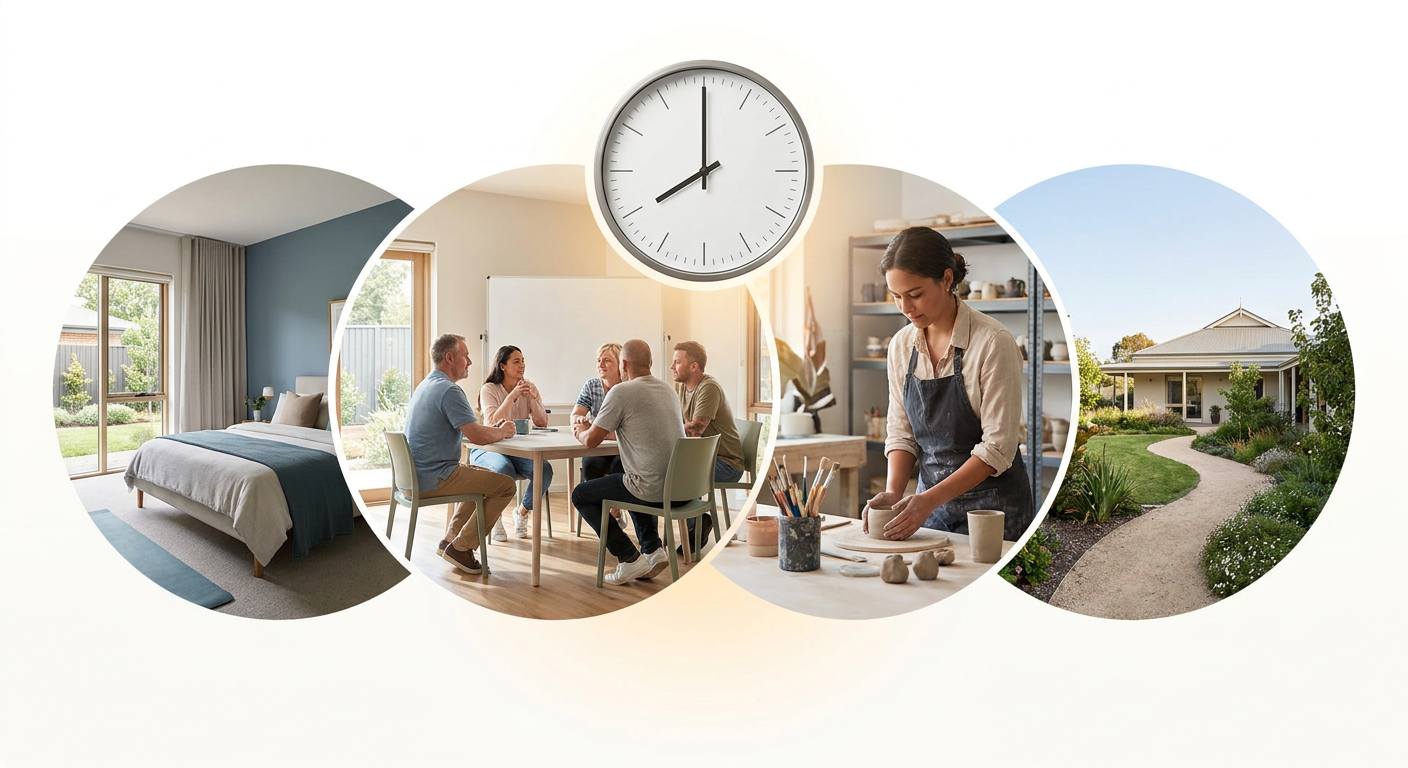
A typical day at 1st Choice Detox Treatment Center begins with routines designed to establish stability and promote physical and mental well-being.
Step 1: Waking Up and Personal Reflection
The morning starts early, usually between 7:00 AM and 7:30 AM. This structured wake-up time helps regulate sleep patterns, which are often disrupted by substance use. Clients are encouraged to begin their day with a moment of personal reflection, perhaps through journaling, meditation, or quiet contemplation. This sets a positive tone for the day, fostering self-awareness and mindfulness.
Step 2: Nutritious Breakfast
A wholesome, well-balanced breakfast is served, providing essential nutrients to support the body’s healing process. Nutrition plays a vital role in recovery, helping to restore physical health and improve mood and energy levels. Our culinary team prepares meals that cater to various dietary needs, ensuring everyone receives proper nourishment.
Step 3: Morning Group Therapy
Following breakfast, the first therapeutic session of the day begins. Morning group therapy sessions are a cornerstone of residential treatment. These sessions provide a safe space for clients to share their experiences, challenges, and insights with peers who understand what they’re going through. Led by experienced therapists, these groups focus on various topics, including:
- Processing emotions: Learning to identify and manage difficult feelings without resorting to substance use.
- Developing coping mechanisms: Exploring healthy ways to deal with stress, cravings, and triggers.
- Building communication skills: Practicing effective communication in a supportive setting.
The Heart of Healing: Afternoon Activities
The afternoon at 1st Choice Detox Treatment Center is packed with individual and group activities designed to deepen the recovery process.
Step 1: Individual Counseling
Clients meet regularly with their primary therapist for one-on-one sessions. This individualized approach allows for a deeper exploration of personal issues, underlying trauma, and specific treatment goals. During these sessions, therapists utilize evidence-based modalities such as Cognitive Behavioral Therapy (CBT) and Dialectical Behavior Therapy (DBT) to help clients understand and change destructive thought patterns and behaviors. This is where personalized strategies for long-term sobriety are developed.
Step 2: Educational Workshops and Life Skills Training
Afternoons often include educational workshops focused on various aspects of addiction and recovery. These sessions might cover topics like:
- The neuroscience of addiction: Understanding how substances affect the brain.
- Relapse prevention strategies: Identifying triggers and developing plans to avoid relapse.
- Stress management techniques: Learning practical ways to reduce stress.
- Nutrition and wellness: Gaining knowledge about healthy living.
- Life skills training: Developing practical skills for independent living, such as budgeting, job searching, and healthy relationship building.
Step 3: Holistic Therapies
Beyond traditional therapy, 1st Choice Detox Treatment Center integrates holistic approaches to promote overall well-being. These can include:
- Yoga and meditation: To reduce stress, improve mindfulness, and foster a mind-body connection.
- Art therapy: A creative outlet for expressing emotions that may be difficult to verbalize.
- Recreational activities: Engaging in healthy physical activities like walks, exercise, or sports to boost mood and energy.
- Mindfulness practices: Learning techniques to stay present and calm.
Winding Down and Looking Forward: Evening and Night
Evenings at 1st Choice Detox Treatment Center are designed to reinforce the day’s learning and prepare for rest.
Step 1: Dinner and Reflection
Dinner is a communal experience, offering another opportunity for clients to connect and share. This is followed by a period of quiet reflection or journaling, allowing individuals to process the day’s events and insights.
Step 2: Evening Group Meetings or 12-Step Programs
Many evenings feature group meetings, often incorporating elements of 12-Step programs like Alcoholics Anonymous (AA) or Narcotics Anonymous (NA). These meetings provide continued peer support, foster a sense of community, and introduce clients to the principles of these widely recognized recovery fellowships. Hearing others’ stories of recovery can be incredibly inspiring and validating.
Step 3: Personal Time and Lights Out
Before lights out, clients have personal time for reading, quiet conversation, or preparing for the next day. A consistent bedtime helps maintain healthy sleep hygiene, which is crucial for both physical and mental recovery. The structured environment ensures a safe and peaceful transition into rest, allowing the body and mind to rejuvenate.
Who It’s For
- Individuals struggling with moderate to severe substance use disorders who require a structured, supervised environment.
- Those who have experienced multiple relapses and need a break from their triggering environment.
- People with co-occurring mental health conditions that require integrated treatment.
- Anyone seeking a comprehensive, holistic approach to addiction recovery.
Who It’s Not For
- Individuals seeking only outpatient treatment due to work or family commitments (though we can discuss options for less intensive care once residential treatment is complete).
- Those who are not ready or willing to commit to the structured nature of a residential program.
- Individuals whose primary need is for emergency medical stabilization without a desire for ongoing addiction treatment.
Safety & Considerations
- Medical Supervision: Clients undergoing detox or with complex medical needs receive 24/7 medical supervision to ensure safety during withdrawal.
- Personalized Care: Treatment plans are tailored to individual needs, recognizing that everyone’s journey is unique.
- Confidentiality: All client information and treatment details are kept strictly confidential, adhering to HIPAA regulations.
The Hidden Benefits of Residential Immersion
One surprising insight for many entering residential treatment is the profound impact of constant, positive peer interaction. While therapy is crucial, the shared experience and mutual support among clients can be incredibly powerful. This sense of belonging, often missing in active addiction, becomes a vital ingredient for healing. It’s like finding a compass and a map after being lost at sea; suddenly, you’re not alone, and there’s a clear direction forward.
Moreover, the removal from daily stressors and triggers allows the brain to begin healing from the chronic stress of addiction. This “reset” period is invaluable. Research from the National Institute on Drug Abuse (NIDA) consistently highlights that longer durations of treatment are associated with better outcomes, emphasizing the effectiveness of comprehensive residential programs.
Practitioner Insight
Residential treatment programs offer a unique opportunity for individuals to fully immerse themselves in the recovery process, free from external distractions. This focused environment allows for intensive therapy and skill-building that can be challenging to achieve in less structured settings. The integration of medical care, therapeutic interventions, and peer support creates a powerful foundation for long-term sobriety.
Key Takeaway
Residential treatment provides a structured, supportive, and immersive environment vital for comprehensive healing from addiction.
Quick FAQs
- Q: How long does residential treatment typically last? A: The duration varies based on individual needs, but commonly ranges from 30 to 90 days, sometimes longer for complex cases.
- Q: Can I have visitors during my stay? A: Yes, visitation policies are in place, often after an initial stabilization period, to support healthy family reintegration.
- Q: What happens after I complete residential treatment? A: A comprehensive aftercare plan is developed, which may include outpatient therapy, sober living arrangements, and ongoing support groups.
- Q: Is residential treatment effective? A: Yes, studies by SAMHSA and NIDA consistently show that residential treatment significantly improves long-term recovery rates by providing a stable, therapeutic environment.
- Q: What if I have co-occurring mental health issues? A: 1st Choice Detox Treatment Center offers integrated treatment for co-occurring disorders, addressing both addiction and mental health simultaneously for holistic healing.
A Path to Lasting Recovery
The journey through residential treatment at 1st Choice Detox Treatment Center is more than just a series of appointments; it’s a carefully crafted experience designed to foster profound personal growth and equip individuals with the resilience needed for a life free from substance dependence. Each day builds upon the last, creating a mosaic of healing, learning, and self-discovery.
If you or a loved one are struggling with addiction, understanding the structured, supportive environment of a residential program can be the first step toward embracing a new future. For more insights into whether this path is right for you, consider reading about the Benefits of Inpatient Rehab: A Structured Path to Sobriety. To explore your treatment options further and determine if residential care aligns with your needs, you might also find our article on Inpatient vs. Outpatient Rehab: Which Addiction Treatment Program is Right for You? helpful.
The problem of addiction can feel overwhelming, but the solution of structured, compassionate care is within reach. We understand the courage it takes to seek help, and we are here to guide you through every step of the process. If you’re ready to take back control of your life and embark on a journey of healing, call our admissions team today at +1-(844)944-3139.
Sources & Further Reading
- National Institute on Drug Abuse (NIDA). “Principles of Drug Addiction Treatment: A Research-Based Guide (Third Edition).” Available at: https://nida.nih.gov/publications/principles-drug-addiction-treatment-research-based-guide-third-edition
- Substance Abuse and Mental Health Services Administration (SAMHSA). “Behavioral Health Treatments and Services.” Available at: https://www.samhsa.gov/find-help/treatments
- Centers for Disease Control and Prevention (CDC). “Opioid Overdose: Understanding the Epidemic.” Available at: https://www.cdc.gov/drugoverdose/epidemic/index.html
This article is for educational purposes only and does not constitute medical advice. If you or someone you love is experiencing a substance use crisis, please contact a qualified healthcare provider or call SAMHSA’s National Helpline at 1-800-662-4357.
Join Our Newsletter
Our Blog Will Be Emailed Along With Any Resources For Mental Health and Dual Diagnosis Recovery