Therapeutic Modalities in Addiction Treatment: Finding the Right Fit
Embarking on the path to recovery from addiction can feel like standing at the entrance of a vast, complex maze. You know the exit—a life of health and sobriety—is out there, but the number of paths and turns can be overwhelming. Many individuals seeking help report feeling lost in a sea of acronyms: CBT, DBT, MI. What do they mean? Which one is right? This uncertainty is common, and it highlights a critical truth: just as addiction is a deeply personal experience, the treatment must be equally personalized. According to the National Survey on Drug Use and Health, over 46 million people aged 12 or older had a substance use disorder in the past year, yet a fraction of them receive the specialized treatment they need.
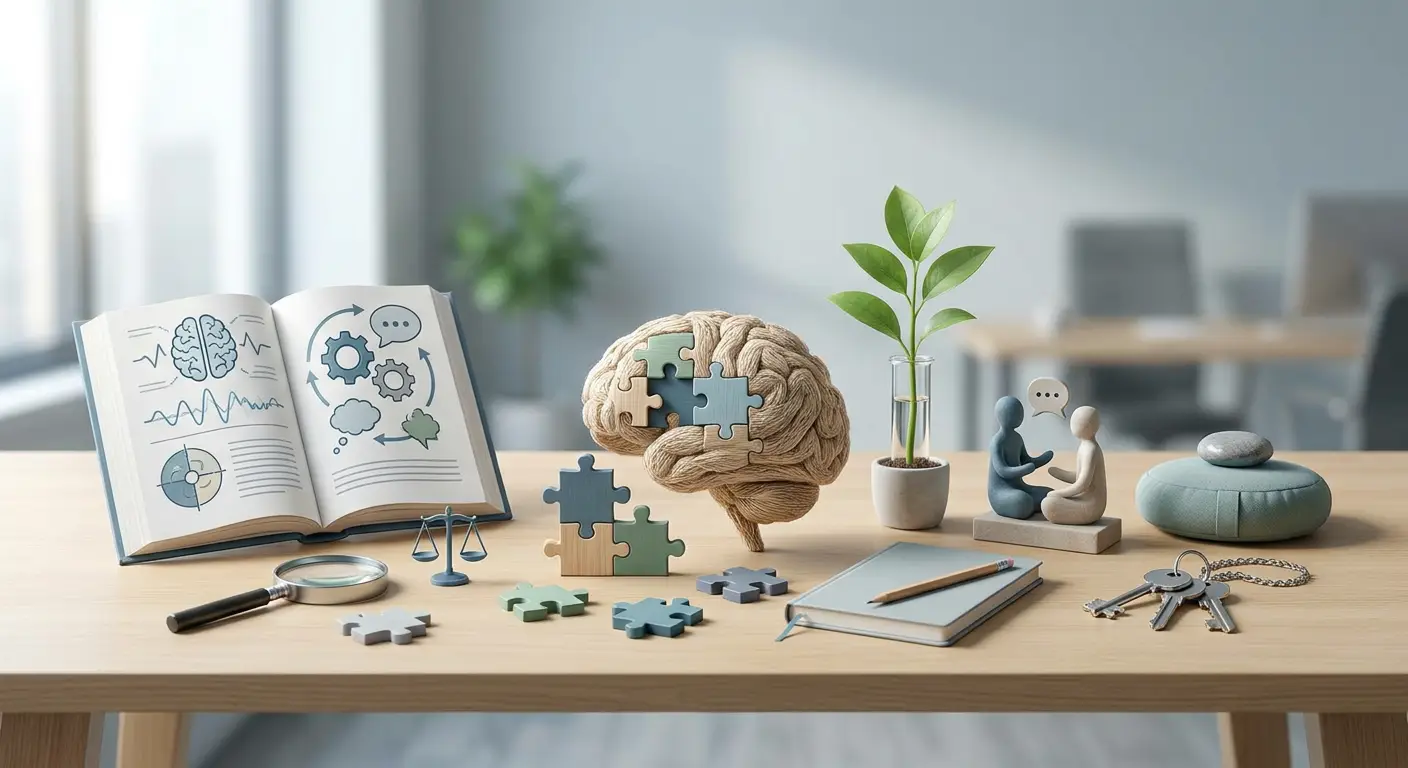
The journey to lasting recovery isn’t about finding a single “magic bullet” therapy. Instead, it’s about finding the right combination of therapeutic keys to unlock the specific challenges of your addiction. Think of addiction as a complex lock with multiple tumblers—each representing a different aspect like brain chemistry, behavioral patterns, emotional triggers, and social environment. A single, generic key won’t work. You need a master key, carefully crafted from several evidence-based therapeutic modalities, to turn all the tumblers and open the door to a new life.
This guide will serve as your map. We will patiently explore the most effective, research-backed therapeutic modalities used in modern addiction treatment. Our goal is to demystify these approaches, explain the science behind why they work, and empower you with the knowledge to make informed decisions. Understanding these options is a crucial part of understanding therapeutic options when choosing a center, ensuring you or your loved one finds a program that truly fits.
Why Is Therapy the Cornerstone of Addiction Recovery?
Before diving into specific therapies, it’s essential to understand why therapy is non-negotiable in addiction treatment. Detoxification is a vital first step that addresses the body’s physical dependence on a substance. However, addiction is far more than a physical issue. The National Institute on Drug Abuse (NIDA) defines addiction as a chronic, relapsing brain disease characterized by compulsive drug seeking and use, despite harmful consequences.
Substance use physically changes the brain’s structure and function, particularly in areas related to reward, stress, and self-control. These changes can persist long after the substance has left the body. Therapy is the process that addresses these deep-seated neurological and psychological patterns. It works to:
- Heal the Brain: Therapy helps “rewire” the brain, forming new, healthier neural pathways.
- Address Root Causes: It uncovers the underlying issues—such as trauma, anxiety, or depression—that may have fueled the substance use in the first place.
- Teach Coping Skills: It provides practical tools to manage cravings, handle stress, and navigate high-risk situations without resorting to substance use.
- Improve Life Skills: Therapy helps rebuild communication skills, restore damaged relationships, and develop a sense of purpose and self-worth.
Without this therapeutic component, an individual is left with the same mindset and coping mechanisms that led to addiction, making relapse highly likely. Research consistently shows that combining detoxification with comprehensive behavioral therapy leads to significantly better long-term outcomes.
The Core Four: A Deep Dive into Evidence-Based Behavioral Therapies
While many therapeutic approaches exist, a few have emerged as the gold standard in addiction treatment due to extensive research and proven effectiveness. At 1st Choice Detox Treatment Center, we build our programs around these powerful, evidence-based modalities.
1. Cognitive Behavioral Therapy (CBT)
What It Is: CBT is a structured, goal-oriented form of psychotherapy. Its core premise is that our thoughts, feelings, and behaviors are interconnected. By identifying and changing destructive or unhelpful thinking patterns, we can change our feelings and behaviors.
How It Works in Addiction Treatment: In the context of addiction, CBT helps individuals recognize the thoughts and situations that trigger cravings and substance use. A therapist works with the client to:
- Identify Triggers: Pinpoint specific people, places, feelings, or events that lead to the urge to use.
- Challenge Distorted Thinking: Confront and reframe thoughts like, “I can’t handle this stress without a drink,” or “Just one time won’t hurt.”
- Develop Coping Strategies: Learn and practice new, healthy ways to respond to triggers, such as calling a sponsor, engaging in a hobby, or using relaxation techniques.
Analogy: Think of CBT as a “mental software update.” It finds the buggy code (negative thought patterns) that causes the system to crash (relapse) and replaces it with stable, functional code (healthy coping strategies).
2. Dialectical Behavior Therapy (DBT)
What It Is: DBT is a modified type of CBT. The term “dialectical” refers to the process of integrating opposites. In DBT, the core dialectic is between acceptance (accepting yourself and your reality as they are) and change (making positive changes to build a better life).
How It Works in Addiction Treatment: DBT is particularly effective for individuals who experience intense emotions and may have co-occurring conditions like borderline personality disorder, anxiety, or a history of trauma. It teaches four key skill sets:
- Mindfulness: The practice of being fully aware and present in the current moment without judgment.
- Distress Tolerance: Skills for getting through crisis situations without making things worse.
- Emotion Regulation: Techniques to understand and manage intense emotions.
- Interpersonal Effectiveness: Tools for communicating needs, setting boundaries, and maintaining self-respect in relationships.
For someone in recovery, these skills are invaluable for managing the emotional rollercoaster that often accompanies early sobriety.
3. Motivational Interviewing (MI)
What It Is: MI is a collaborative, client-centered counseling style for eliciting behavior change by helping clients explore and resolve ambivalence. Unlike more directive therapies, the MI therapist acts as a guide, helping the individual find their own motivation to change.
How It Works in Addiction Treatment: Many people entering treatment are ambivalent. Part of them wants to stop using, but another part is resistant to change. MI honors this conflict. Instead of lecturing or confronting, the therapist uses open-ended questions, affirmations, and reflective listening to:
- Strengthen the individual’s commitment to change.
- Help them articulate their personal reasons for wanting to get sober.
- Develop a plan for change that aligns with their own values and goals.
Surprising Insight: A common misconception is that people with addiction must “hit rock bottom” before they can be helped. Motivational Interviewing directly challenges this idea. Research shows that MI can be effective at any stage of readiness, helping to build motivation even in those who are initially resistant to treatment.
4. Contingency Management (CM)
What It Is: CM is a behavioral therapy based on the principles of operant conditioning. It uses tangible rewards to reinforce positive behaviors, such as abstinence.
How It Works in Addiction Treatment: In a CM program, individuals receive incentives—like vouchers, prizes, or privileges—for meeting treatment goals, most commonly verified by negative drug tests. The immediate, positive reinforcement helps strengthen the brain’s reward pathways associated with sobriety, directly competing with the pathways reinforced by substance use. According to NIDA, CM has been shown to be highly effective in treating addiction to a variety of substances, including stimulants, opioids, and marijuana.
Comparing the Core Therapeutic Modalities
| Modality | Core Principle | Best Suited For |
|---|---|---|
| Cognitive Behavioral Therapy (CBT) | Changing the relationship between thoughts, feelings, and behaviors. | A broad range of individuals; addresses specific patterns of thinking and acting. |
| Dialectical Behavior Therapy (DBT) | Balancing acceptance and change to manage intense emotions and behaviors. | Individuals with co-occurring disorders, emotional dysregulation, or a history of trauma. |
| Motivational Interviewing (MI) | Resolving ambivalence and building intrinsic motivation for change. | Individuals who are uncertain or resistant to treatment; effective in early stages. |
| Contingency Management (CM) | Providing tangible rewards to reinforce positive behaviors like abstinence. | Individuals who respond well to structured incentives; highly effective for stimulant use. |
Who It’s For
This multifaceted approach to therapy is designed for individuals who:
- Recognize that their substance use is causing problems in their life but are unsure how to stop.
- Have tried to quit on their own but have been unsuccessful due to cravings or relapse.
- Are dealing with co-occurring mental health conditions like anxiety, depression, or PTSD alongside their addiction.
- Are ready to do the deep psychological work required for lasting recovery, beyond just physical detoxification.
Who It’s Not For
While therapy is broadly beneficial, certain approaches may not be the primary fit for everyone at every stage. For example:
- Individuals in acute medical crisis or severe withdrawal may first need medical stabilization before they can fully engage in intensive psychotherapy.
- Deep, insight-oriented therapy may be less effective for individuals with severe cognitive impairments who may benefit more from concrete, behavioral approaches like Contingency Management.
Beyond the Individual: The Power of Group and Family Therapy
Recovery doesn’t happen in a vacuum. Addiction impacts, and is impacted by, the people around us. That’s why a comprehensive treatment plan must include therapies that address these social dynamics.
Group Therapy
In group therapy, a small number of individuals meet with one or more trained therapists. It provides a safe and supportive environment to share experiences, learn from peers, and practice new social skills. The benefits are profound:
- Reduces Isolation: It shatters the illusion that “I’m the only one who feels this way.”
- Provides Hope: Seeing others who are further along in their recovery journey can be incredibly inspiring.
- Fosters Accountability: The group provides a supportive network that encourages members to stay committed to their goals.
Family Therapy
Addiction is often called a “family disease” because it creates stress, dysfunction, and broken trust within the entire family unit. Family therapy brings relatives and loved ones into the treatment process to:
- Educate: Help family members understand the nature of addiction as a brain disease.
- Heal Communication: Teach healthy ways to communicate and resolve conflict.
- Set Boundaries: Establish a supportive home environment that promotes recovery rather than enabling substance use.
- Repair Relationships: Begin the process of rebuilding trust and mending broken bonds.
Involving the family significantly improves the chances of long-term success, as it helps build a strong, informed support system for the individual’s return home.
How 1st Choice Detox Treatment Center Finds Your Perfect Fit
Understanding these modalities is one thing; applying them effectively is another. There is no “one-size-fits-all” curriculum. At 1st Choice Detox Treatment Center, a Joint Commission-accredited treatment center in Granada Hills, CA, we are committed to a deeply personalized approach. This commitment is reflected in the high standards of care we uphold, which is one of the benefits of a Joint Commission-accredited addiction treatment center.
Our process begins with a comprehensive, multidimensional assessment. Our clinical team takes the time to understand every aspect of your situation:
- The specific substances used and the history of use.
- Any co-occurring mental or physical health conditions.
- Your family history and social support system.
- Your personal strengths, goals, and motivations.
Based on this detailed picture, our expert clinicians collaborate to design one of our individualized treatment plans: why personalized care matters in recovery. This plan is not static; it’s a living document. Your therapeutic program might start with Motivational Interviewing to build commitment, then integrate CBT to develop coping skills, and use DBT techniques to manage emotional triggers. This is combined with group and family sessions to build a robust support network. We constantly monitor your progress and adjust the plan to meet your evolving needs, ensuring you always receive the most effective care at every stage of your journey.
Safety & Considerations
When exploring therapeutic options for addiction, it is crucial to prioritize safety and make informed decisions.
- Professional Guidance is Essential: Never attempt to diagnose or treat addiction alone. The information in this article is educational and not a substitute for professional medical advice. Always consult with a qualified medical doctor or licensed therapist.
- Accreditation Matters: Choose a treatment facility that is licensed by the state and accredited by a recognized body like The Joint Commission. This ensures the facility meets rigorous standards for safety and quality of care.
- Co-Occurring Disorders: If you suspect an underlying mental health issue like depression or anxiety, ensure the treatment center is equipped for dual diagnosis treatment. Treating addiction without addressing the co-occurring disorder is often ineffective.
- Medical Supervision: Detoxification and early recovery can involve medical risks. Ensure any program you consider has 24/7 medical supervision, especially during the detox phase.
Charting Your Course to Recovery
Navigating the world of addiction therapy can seem daunting, but it is a journey of hope. The key is understanding that effective treatment is not a generic product but a personalized service. It’s a collaborative process between you and a team of clinical experts who use data-driven, evidence-based tools to craft a plan that fits your unique needs. By embracing a combination of powerful modalities like CBT, DBT, and group therapy, you are not just stopping a behavior; you are healing your mind, learning new life skills, and building a foundation for a future free from the grip of addiction.
Next Step
If you or a loved one are struggling with substance use, you don’t have to find the path alone. The clinical team at 1st Choice Detox Treatment Center is here to help you navigate your options. Call us at +1 (844) 944-3139 to speak with an admissions specialist, discuss which therapeutic approaches might be right for you, and verify your PPO insurance.
Our facility is conveniently located in Granada Hills, CA, with ample parking and easy access. Let us help you take the first step toward lasting recovery. For more information, please visit our website at https://1stchoicedetoxtreatmentcenter.com/.
Your questions answered
Frequently Asked Questions
FAQ #1 How long does therapy for addiction take?
A: There is no set timeline. According to the Substance Abuse and Mental Health Services Administration (SAMHSA), longer durations of treatment are associated with better outcomes. The length depends on individual needs, the severity of the addiction, and the presence of co-occurring disorders.
FAQ #2: Can I be forced into therapy?
A: While some individuals enter treatment via the legal system, therapy is most effective when the person is willing to participate. Modalities like Motivational Interviewing are specifically designed to help build internal motivation for those who are initially ambivalent or resistant.
FAQ #3: What's the difference between a therapist, a psychologist, and a psychiatrist in addiction treatment?
A: A psychiatrist is a medical doctor (MD) who can prescribe medication. A psychologist typically has a doctoral degree (Ph.D. or Psy.D.) and specializes in psychotherapy and psychological testing. A therapist (e.g., LMFT, LCSW) has a master’s degree and is licensed to provide counseling. All play crucial roles in a comprehensive team.
Sources & Further Reading
- National Institute on Drug Abuse (NIDA). (2020). Treatment Approaches for Drug Addiction DrugFacts. Retrieved from https://www.nida.nih.gov/publications/drugfacts/treatment-approaches-drug-addiction
- Substance Abuse and Mental Health Services Administration (SAMHSA). (2022). Key Substance Use and Mental Health Indicators in the United States: Results from the 2021 National Survey on Drug Use and Health. Retrieved from https://www.samhsa.gov/data/report/2021-nsduh-annual-national-report
- Linehan, M. M. (2014). DBT Skills Training Manual (2nd ed.). The Guilford Press.
- Miller, W. R., & Rollnick, S. (2012). Motivational Interviewing: Helping People Change (3rd ed.). The Guilford Press.
- American Psychological Association. (2017). What is Cognitive Behavioral Therapy?. Retrieved from https://www.apa.org/ptsd-guideline/patients-and-families/cognitive-behavioral
- Petry, N. M. (2011). Contingency management: what it is and why it is so effective. The American journal of psychiatry, 168(7), 664-666.
- U.S. Department of Health and Human Services. (2016). Facing Addiction in America: The Surgeon General’s Report on Alcohol, Drugs, and Health. Retrieved from https://addiction.surgeongeneral.gov/sites/default/files/surgeon-generals-report.pdf
About the Reviewer
1st Choice Detox Treatment Center Review Team, Medical Director
Credentials: MD
Last Updated: July 2026
All content is reviewed by our Medical Director, Licensed Marriage and Family Therapist, Clinical Review Team, and Marketing Review Team before publication. 1st Choice Detox Treatment Center is DHCS licensed, Joint Commission accredited, LegitScript approved, and BBB accredited. Content is for educational purposes only and does not constitute medical advice. Please consult a medical professional for personalized guidance.