Dual Diagnosis Treatment: Addressing Co-Occurring Mental Health and Substance Use Disorders
Many individuals grappling with substance use disorders find themselves facing a complex, intertwined challenge: co-occurring mental health conditions. This isn’t a rare occurrence; in fact, it’s the norm for a significant portion of the population seeking help. Imagine navigating the turbulent waters of addiction while simultaneously battling the invisible storms of depression, anxiety, or trauma. The sheer difficulty of addressing one without acknowledging the other can lead to a cycle of relapse and profound distress. It’s a scenario where traditional, siloed treatment approaches often fall short, leaving individuals feeling unheard and incomplete. This is precisely why integrated care, known as dual diagnosis treatment, has emerged as a critical pathway to genuine and lasting recovery.
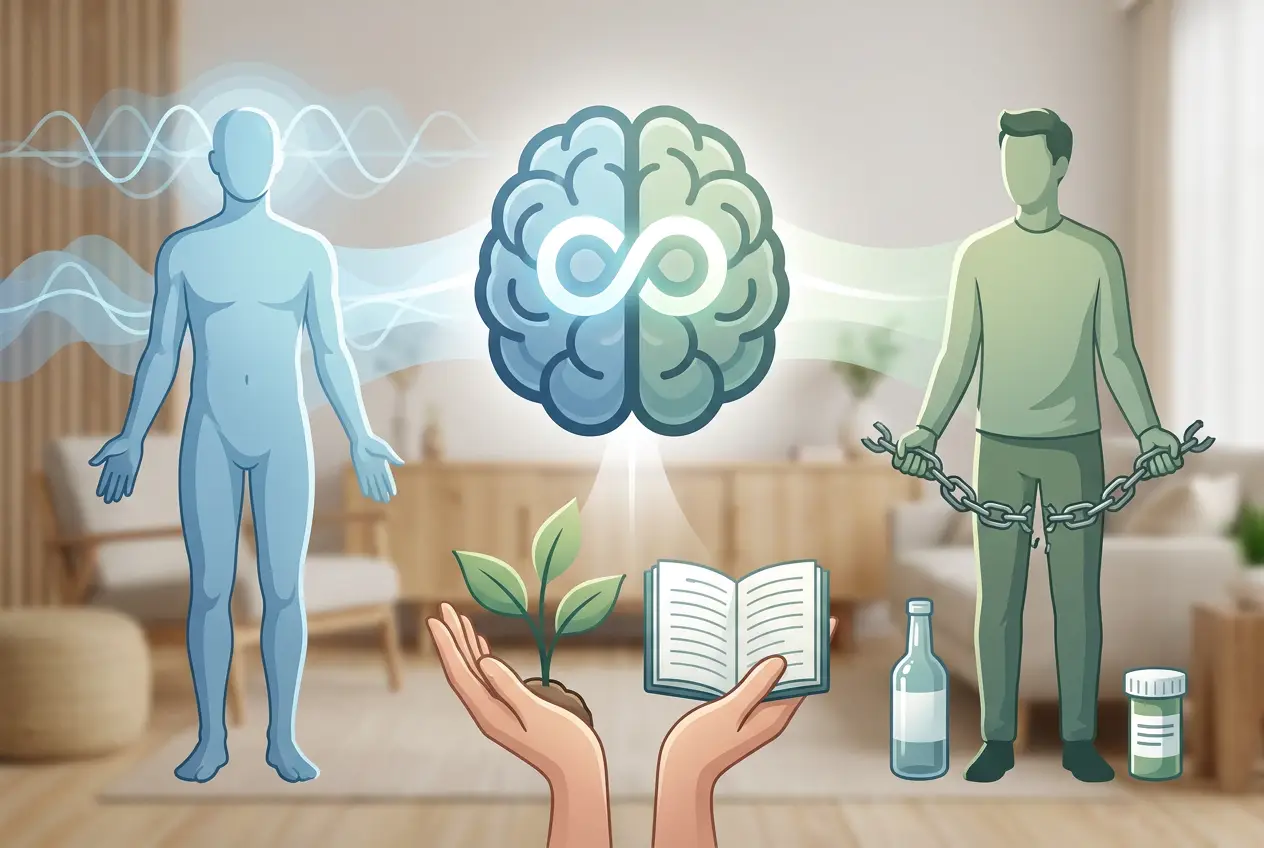
The Interwoven Landscape of Co-Occurring Disorders
The correlation between mental health disorders and substance use is strikingly high. Data from the Substance Abuse and Mental Health Services Administration (SAMHSA) consistently indicates that a substantial number of adults with a mental illness also struggle with a substance use disorder, and vice versa. For instance, in 2021, 21.5% of adults in the U.S. had a mental illness, and 46.3 million people aged 12 or older had a substance use disorder (SUD). Crucially, 9.2 million adults had both a mental illness and an SUD, underscoring the prevalence of co-occurring disorders. These statistics aren’t mere numbers; they represent millions of lives impacted by a dual burden that demands a comprehensive and empathetic response.
The relationship between mental health and substance use is often bidirectional. Psychological distress can drive individuals to self-medicate with substances, seeking temporary relief from symptoms like anxiety, depression, or the echoes of trauma. Conversely, prolonged substance abuse can exacerbate existing mental health conditions or even induce new ones, altering brain chemistry and disrupting emotional regulation. For example, chronic alcohol use can intensify depressive symptoms, while stimulant abuse can trigger episodes of paranoia or anxiety.
Why Siloed Treatment Fails
Historically, treatment systems often operated in isolation. Individuals seeking help might be referred to a mental health clinic for their depression and a separate addiction treatment center for their substance use. This fragmented approach, while well-intentioned, frequently proved ineffective. Imagine trying to repair a complex machine by addressing only one faulty component at a time, without recognizing how each part interacts with the others.
| Approach | Focus | Outcome | Limitations |
|---|---|---|---|
| Separate Treatments | Either SUD or Mental Health | Incomplete Healing | High relapse rates, untreated core issues, patient frustration |
| Integrated Treatment | Both SUD & Mental Health | Holistic Recovery | Requires specialized facilities and trained staff |
When only one side of the dual diagnosis is addressed, the untreated condition often sabotages recovery efforts for the other. A patient might successfully detoxify from a substance, but if the underlying anxiety that fueled their use is not managed, they are highly vulnerable to relapse. Similarly, treating depression without addressing an active substance use disorder can render antidepressant medications less effective and make therapeutic progress difficult. This is why a unified strategy is not just beneficial, but essential.
Embracing the Holistic Paradigm at 1st Choice Detox
Recognizing the critical need for a more comprehensive approach, 1st Choice Detox Treatment Center is committed to providing integrated dual diagnosis treatment. This philosophy centers on healing the whole person, acknowledging that mental health and substance use disorders are not separate entities but rather manifestations of deeper, interconnected challenges.
Our approach at 1st Choice Detox Treatment Center, a Joint Commission-accredited treatment center in Granada Hills, CA, is built on the understanding that sustainable recovery requires addressing both conditions concurrently and with equal intensity. This isn’t just about managing symptoms; it’s about identifying the root causes, developing effective coping mechanisms, and fostering overall well-being. We understand that each individual’s journey is unique, which is why we emphasize our individualized approach to care, tailoring treatment plans to meet specific needs.
The Synergy of Integrated Care
Integrated treatment works because it creates a synergistic effect. When mental health and substance use are treated simultaneously within the same clinical setting, patients experience several key advantages:
- Coordinated Care: Therapists, psychiatrists, and addiction specialists collaborate closely, sharing insights and developing a unified treatment plan. This eliminates conflicting advice and ensures continuity of care.
- Reduced Stigma: Patients feel less fragmented when their entire experience is acknowledged and addressed in one place, reducing the feeling of being “two different people” with two different problems.
- Enhanced Engagement: Addressing both issues concurrently often leads to greater patient engagement and motivation, as they see their entire struggle being recognized and validated.
- Improved Outcomes: Research consistently demonstrates that integrated treatment leads to better long-term outcomes, including reduced substance use, fewer psychiatric symptoms, and improved overall functioning. A study published in the Journal of Consulting and Clinical Psychology highlighted that integrated treatment for co-occurring disorders significantly improved both substance use outcomes and mental health symptoms compared to sequential or parallel treatments.
Core Components of Effective Dual Diagnosis Treatment
At 1st Choice Detox Treatment Center, our dual diagnosis program integrates various evidence-based therapies and holistic practices to support comprehensive healing.
Evidence-Based Therapies for Co-Occurring Conditions
Effective dual diagnosis treatment relies heavily on therapeutic modalities proven to address both mental health and substance use challenges. These include:
- Cognitive Behavioral Therapy (CBT): A cornerstone of our program, CBT helps individuals identify and challenge negative thought patterns and behaviors that contribute to both substance use and mental health symptoms. For example, a patient struggling with anxiety might learn to recognize anxious thoughts that lead to cravings and develop alternative coping strategies. For more detailed information on therapeutic approaches, explore Understanding Evidence-Based Therapies: CBT, DBT, and EMDR in Addiction Treatment.
- Dialectical Behavior Therapy (DBT): Particularly beneficial for individuals with emotional regulation difficulties, impulsivity, and suicidal ideation, DBT teaches skills in mindfulness, distress tolerance, emotion regulation, and interpersonal effectiveness.
- Motivation Enhancement Therapy (MET): This approach helps individuals build intrinsic motivation for change, addressing ambivalence about recovery and strengthening their commitment to treatment goals.
- Trauma-Informed Care: Many co-occurring disorders have roots in past trauma. Our trauma-informed approach recognizes the pervasive impact of trauma and integrates strategies to promote healing in a safe, supportive environment. This might involve techniques like Eye Movement Desensitization and Reprocessing (EMDR) when appropriate.
- Medication-Assisted Treatment (MAT): For certain substance use disorders (e.g., opioid and alcohol use disorders) and mental health conditions (e.g., depression, anxiety, bipolar disorder), prescribed medications can be a vital component of treatment. MAT, when combined with therapy, has been shown to improve treatment retention and reduce relapse rates. Our medical team carefully evaluates and manages medication regimens as part of the integrated plan.
The Role of Holistic Healing
Beyond traditional therapies, 1st Choice Detox Treatment Center incorporates holistic practices to nurture the mind, body, and spirit. We recognize that true healing extends beyond symptom management to encompass overall well-being. For a deeper dive into these benefits, consider reading The Benefits of Holistic Addiction Treatment: Mind, Body, and Spirit Healing.
- Nutritional Support: Substance use often depletes essential nutrients and disrupts physical health. Our program emphasizes balanced nutrition to restore physical vitality and support mental clarity.
- Mindfulness and Meditation: These practices help individuals develop greater self-awareness, manage stress, and cultivate a sense of calm, which can be particularly beneficial for anxiety and mood disorders.
- Physical Activity and Yoga: Exercise is a powerful natural antidepressant and anxiolytic. Incorporating physical activity helps release endorphins, improve sleep, and reduce stress.
- Expressive Arts Therapy: Creative outlets like art, music, and writing provide healthy ways to process emotions, express thoughts, and reduce stress without relying on substances.
Navigating the Complexities: A Case for Integrated Pathways
Consider an individual who presents with severe anxiety and a dependency on benzodiazepines, initially prescribed for their anxiety but now misused. If only the benzodiazepine dependency is addressed, the underlying anxiety remains, creating a high risk for relapse or the development of a new coping mechanism. Conversely, if only the anxiety is treated without addressing the substance use, the medication’s efficacy may be compromised, and the individual may continue to misuse substances.
An integrated approach would involve:
- Safe Medical Detoxification: Gradually tapering benzodiazepines under medical supervision to manage withdrawal symptoms safely, possibly with supportive medications.
- Concurrent Therapy: Engaging in CBT and DBT to address the anxiety, teach coping skills, and challenge maladaptive thought patterns.
- Medication Management: Exploring non-addictive medications for anxiety if appropriate, carefully monitored by a psychiatrist.
- Holistic Practices: Incorporating mindfulness to manage anxiety and yoga for stress reduction.
- Support Groups: Encouraging participation in groups like Dual Recovery Anonymous (DRA) where individuals can connect with peers facing similar challenges.
This multi-faceted strategy directly addresses the intertwined nature of the conditions, providing a solid foundation for sustainable recovery.
The Neuroscience of Dual Diagnosis
Understanding the brain’s role in co-occurring disorders provides critical insight into why integrated treatment is so effective. Both mental health disorders and substance use disorders involve complex neurobiological changes. Substance abuse can alter neurotransmitter systems (like dopamine, serotonin, and GABA), impacting mood, motivation, and impulse control. Similarly, mental health conditions like depression and anxiety are associated with imbalances in these same neurochemical pathways.
When an individual has a dual diagnosis, these brain changes can exacerbate each other. For example, a person with a predisposition to anxiety may find that chronic stimulant use not only triggers but also hardens the neural pathways associated with panic responses. Integrated treatment, particularly with the careful use of MAT and targeted psychotherapies, aims to re-regulate these systems, promoting neural plasticity and healthier brain function. This neurobiological perspective underpins the need for simultaneous intervention.
Why 1st Choice Detox Treatment Center Stands Apart
At 1st Choice Detox Treatment Center, located in Granada Hills, CA, we pride ourselves on delivering care that is both clinically excellent and deeply compassionate. Our Joint Commission accreditation signifies our commitment to the highest standards of safety and quality patient care. Being LegitScript approved further assures our dedication to ethical and transparent practices, particularly in the digital health space.
Our team of experienced professionals—including medical doctors, licensed therapists, and addiction specialists—works collaboratively to create an environment where individuals feel safe, understood, and empowered to heal. We don’t just treat symptoms; we partner with our patients to rebuild lives, fostering resilience and equipping them with the tools for long-term sobriety and mental wellness. We are a Joint Commission-accredited treatment center in Granada Hills, CA, dedicated to your well-being.
Navigating the Path to Healing
The journey to recovery from dual diagnosis can feel daunting, but it is not one you have to undertake alone. At 1st Choice Detox Treatment Center, we believe in guiding each individual through every step, from initial assessment to aftercare planning. Our comprehensive services include:
- Thorough Assessment: A detailed evaluation to understand the full scope of both mental health and substance use challenges. This allows for the creation of a truly personalized treatment plan.
- Medical Detoxification: A safe and supervised detox process, essential for clearing substances from the body while managing withdrawal symptoms, especially when co-occurring medical or psychiatric conditions are present.
- Residential Treatment: An immersive environment where individuals can focus entirely on their recovery, away from triggers and stressors.
- Partial Hospitalization Programs (PHP): A structured day program that offers intensive therapy while allowing individuals to return home in the evenings.
- Intensive Outpatient Programs (IOP): More flexible than PHP, this option provides therapy and support services for those who can manage their daily lives while attending treatment.
- Aftercare Planning: Crucial for sustained recovery, this includes relapse prevention strategies, sober living referrals, ongoing therapy, and support group integration.
Sources & Further Reading
- Substance Abuse and Mental Health Services Administration (SAMHSA). (2022). Key Substance Use and Mental Health Indicators in the United States: Results from the 2021 National Survey on Drug Use and Health. Retrieved from https://www.samhsa.gov/data/report/2021-nsduh-annual-national-report
- Drake, R. E., & Mueser, K. T. (2000). Psychosocial approaches to dual diagnosis. Schizophrenia Bulletin, 26(1), 105-118.
- National Institute on Drug Abuse (NIDA). (2020). Comorbidity: Addiction and Other Mental Disorders. Retrieved from https://www.drugabuse.gov/publications/research-reports/comorbidity-addiction-other-mental-disorders
Safety & Considerations
- Always seek professional medical advice before making changes to your treatment plan.
- Self-medicating mental health symptoms with substances can lead to worsening conditions and increased risks.
- Withdrawal from certain substances, especially alcohol and benzodiazepines, can be life-threatening and requires medical supervision.
Key Takeaway
Integrated dual diagnosis treatment simultaneously addresses mental health and substance use disorders for comprehensive, lasting recovery.
Practitioner Insight
Effective treatment for co-occurring disorders necessitates a highly individualized, multidisciplinary approach that combines evidence-based psychotherapies with appropriate pharmacological interventions, recognizing the profound interplay between mental health and substance use. Our goal is to empower individuals with strategies for sustainable well-being.
About the Reviewer
1st Choice Detox Treatment Center Review Team, Medical Director, Licensed Marriage and Family Therapist, Clinical Review Team & Marketing Review Team
Credentials: MD, LMFT
All content is reviewed by our Medical Director, Licensed Marriage and Family Therapist, Clinical Review Team, and Marketing Review Team before publication. 1st Choice Detox Treatment Center is DHCS licensed, Joint Commission accredited, LegitScript approved, and BBB accredited. Content is for educational purposes only and does not constitute medical advice.
Who It’s For
- Individuals experiencing symptoms of both a mental health disorder and a substance use disorder.
- Families seeking comprehensive and integrated care for a loved one.
- Anyone who has previously tried addiction or mental health treatment separately without lasting success.
Next Step
Ready to begin your journey to integrated healing and recovery? Call our clinical team at +1 (844) 944-3139 to discuss your needs or visit our website for more information.
1st Choice Detox Treatment Center proudly serves the Local Area, including Los Angeles and the San Fernando Valley, offering ample parking and accessible facilities for your convenience.
We invite you to visit our site for more information on our programs and our commitment to healing the whole person.