Benzodiazepine Detox: Why Medical Supervision is Essential
Many people begin taking benzodiazepines—medications like Xanax, Klonopin, Ativan, or Valium—with a doctor’s prescription to manage legitimate health concerns like anxiety, panic attacks, or insomnia. Initially, these medications can feel like a lifeline, providing much-needed calm in a turbulent mind. Over time, however, the body adapts. The dose that once worked may no longer be effective, or a sense of dependence begins to form, creating a new source of anxiety: the fear of not being able to stop. It’s a common scenario that leads many to think, “I’m a capable person; I can just taper off this myself.” They search online for tapering schedules and believe that sheer willpower will see them through.
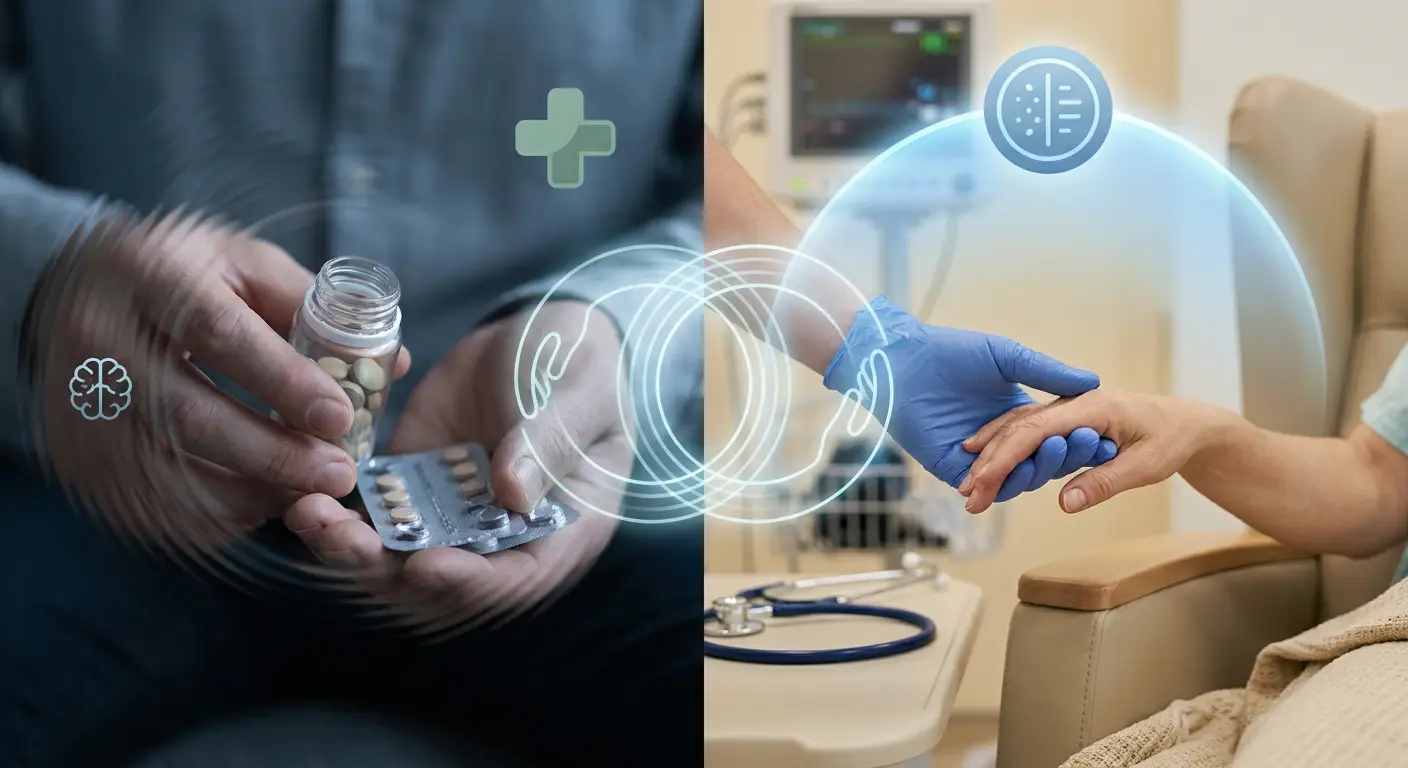
This line of thinking, while understandable, dangerously underestimates the physiological realities of benzodiazepine withdrawal. Unlike withdrawal from many other substances, abruptly stopping or improperly tapering benzodiazepines is not just a matter of enduring discomfort. It can trigger a cascade of severe, and in some cases, life-threatening neurological events. The process demands a level of medical precision and oversight that simply cannot be replicated at home.
This article will serve as your comprehensive guide to understanding benzodiazepine detox. We will explore the science behind the withdrawal process, analyze the data comparing unsupervised and medically supervised approaches, and explain why professional oversight is the non-negotiable standard for safety and long-term success. Understanding the necessity of medically supervised benzo detox is the first critical step toward a safe and stable recovery.
Why Quitting Benzodiazepines “Cold Turkey” Can Be a Fatal Mistake
To understand the dangers of benzodiazepine withdrawal, we first need to look at how these drugs affect the brain. Benzodiazepines work by enhancing the activity of a neurotransmitter called gamma-aminobutyric acid (GABA). Think of GABA as the brain’s primary braking system; it slows down nerve cell activity, reducing anxiety and promoting a sense of calm.
When you take a benzodiazepine regularly, your brain becomes accustomed to this external “help” in activating its braking system. It responds by down-regulating its own GABA receptors, essentially becoming less sensitive to GABA’s calming effects. This is the basis of tolerance. Your brain now relies on the medication to maintain a normal state of calm.
If you suddenly remove the drug, the brain’s braking system fails. With fewer and less sensitive GABA receptors, there is nothing to check the brain’s excitatory neurotransmitters, like glutamate. The result is a state of extreme central nervous system hyperexcitability.
Analogy: The Uncontrolled Dam
Imagine your brain’s neural activity is a massive reservoir of water held back by a dam (your GABA system). Taking benzodiazepines is like reinforcing that dam, allowing it to hold back even more water. Over time, the original structure of the dam (your natural GABA function) weakens, relying on the reinforcements. Quitting “cold turkey” is like instantly removing all those reinforcements. The weakened dam is overwhelmed, and the reservoir floods through, causing catastrophic damage.
This “flood” of neural activity is what produces the severe symptoms of benzodiazepine withdrawal. According to a treatment improvement protocol from the Substance Abuse and Mental Health Services Administration (SAMHSA), withdrawal from sedatives like benzodiazepines can be life-threatening and requires careful medical management.
Symptoms can range from manageable to critical, including:
- Severe Anxiety and Panic: A rebound effect far more intense than the original condition.
- Insomnia and Nightmares: The brain is too overstimulated to allow for restful sleep.
- Muscle Spasms and Pain: Uncontrolled nerve firing affects the musculoskeletal system.
- Sensory Hypersensitivity: Light, sound, and touch can feel overwhelming or painful.
- Psychosis and Hallucinations: A severe break from reality.
- Grand Mal Seizures: The most dangerous symptom, caused by widespread, uncontrolled electrical activity in the brain. These seizures can be fatal.
The risk is not theoretical. Research published in the Journal of Clinical Psychiatry has documented the severe complications, including seizures and delirium, that can arise from abrupt benzodiazepine discontinuation. Attempting this process alone is a gamble with your health and your life.
What Does “Medically Supervised Detox” Actually Mean?
The term “medically supervised detox” is more than just having a doctor on call. It is a highly structured, evidence-based clinical protocol designed to safely and comfortably guide your brain back to a state of equilibrium. At a Joint Commission-accredited facility like 1st Choice Detox Treatment Center in Granada Hills, CA, this process is managed by a multidisciplinary team of medical professionals.
Here’s a breakdown of what this comprehensive approach involves:
1. Comprehensive Initial Assessment
The process begins not with medication, but with a thorough evaluation. Our clinical team assesses:
- Which benzodiazepine(s) were used: Short-acting (e.g., Xanax) and long-acting (e.g., Klonopin) benzodiazepines have different withdrawal timelines.
- Dosage and duration of use: Higher doses and longer use correlate with more severe withdrawal potential.
- Co-occurring substance use: Use of other substances, particularly alcohol or opioids, complicates detox and requires an integrated plan. This is different from a plan for cocaine and stimulant detox, which has its own unique challenges.
- Underlying medical and psychiatric conditions: Pre-existing seizure disorders, cardiac issues, or severe mental health conditions must be managed concurrently.
This detailed picture allows the medical team to create a personalized detox plan. There is no one-size-fits-all tapering schedule.
2. A Strategically Planned Taper
Instead of abrupt cessation, medical detox uses a gradual dose reduction (tapering) to allow the brain to slowly re-regulate its GABA system. The most common and often safest method is a substitution taper.
- The Problem with Tapering Short-Acting Benzodiazepines: Drugs like Xanax (alprazolam) have a short half-life, meaning they are eliminated from the body quickly. This can cause volatile “peaks and troughs” in blood concentration, leading to intense withdrawal symptoms between doses.
- The Solution: Substitution with a Long-Acting Benzodiazepine: Clinicians often switch the patient to a long-acting benzodiazepine, such as diazepam (Valium) or chlordiazepoxide (Librium). These drugs have a much longer half-life and stay in the system at a more stable level. This creates a smoother, more comfortable tapering process with a lower risk of severe withdrawal. The dose of the long-acting benzodiazepine is then slowly and methodically reduced over days or weeks.
3. 24/7 Medical Monitoring and Symptom Management
This is perhaps the most critical component. In a professional detox facility, you are under round-the-clock observation by nurses and medical staff. They monitor vital signs (heart rate, blood pressure), assess for emerging withdrawal symptoms, and can intervene immediately.
If symptoms like severe anxiety, nausea, or muscle spasms arise, the medical team can administer non-addictive comfort medications to manage them. Most importantly, they are equipped to prevent and respond to medical emergencies like a seizure, providing a level of safety that is impossible to achieve at home.
Comparing Detox Approaches: At-Home vs. Medical Supervision
| Feature | At-Home Taper (Unsupervised) | Medically Supervised Detox |
|---|---|---|
| Safety | High risk of seizures, psychosis, and other medical emergencies. No immediate medical response available. | Extremely high level of safety. 24/7 monitoring and immediate intervention for any medical issue. |
| Tapering Protocol | Based on generic online charts; not personalized. High risk of error in dosing or timing. | Personalized taper schedule designed by a physician based on a comprehensive assessment. |
| Symptom Management | Limited to over-the-counter remedies. Unable to manage severe symptoms like intense anxiety or hypertension. | Access to targeted, non-addictive medications to manage withdrawal symptoms and ensure comfort. |
| Psychological Support | None. Individuals are isolated and must manage rebound anxiety and depression alone. | Integrated therapy, counseling, and peer support to address the psychological aspects of withdrawal. |
| Success Rate | Generally low. The intensity of withdrawal symptoms often leads to relapse to stop the discomfort. | Significantly higher success rate for completing detox safely and transitioning to the next level of care. |
Practitioner Insight
“A common mistake we see is individuals trying to follow a generic taper schedule they found online. These charts can’t account for individual metabolism, co-occurring conditions, or psychological state. A successful benzodiazepine taper requires real-time adjustments based on the patient’s specific response, something that is only possible with continuous medical observation.”
Detox Is More Than a Physical Process: The Psychological Battle
Successfully navigating the physical withdrawal from benzodiazepines is a monumental achievement, but it is only the first step. The underlying reasons for taking the medication—anxiety, trauma, or stress—do not disappear once the drug is gone. In fact, the detox process can temporarily amplify them.
This is where the integrated approach of a professional treatment center becomes invaluable. Detox is not just about stabilizing the body; it’s about preparing the mind for lasting recovery.
Addressing Rebound Anxiety and PAWS
- Rebound Anxiety: The original anxiety symptoms for which the benzodiazepine was prescribed often return with a vengeance during and after detox. Without coping skills, this can feel overwhelming and trigger a swift relapse.
- Post-Acute Withdrawal Syndrome (PAWS): Even after the acute withdrawal phase is over, many individuals experience PAWS. According to UCLA’s Semel Institute for Neuroscience and Human Behavior, these symptoms can last for months and include mood swings, low energy, sleep disturbances, and cognitive difficulties.
In a medical detox setting, you are not left to face this alone. You begin working with therapists and counselors who help you:
- Understand the “Why”: Explore the root causes of your anxiety or substance use.
- Develop Coping Skills: Learn healthy, sustainable strategies like mindfulness, cognitive-behavioral therapy (CBT), and stress management techniques.
- Build a Support System: Participate in group therapy and connect with peers who understand the journey, reducing feelings of isolation.
This foundational work done during detox is crucial for preventing relapse and building a life where benzodiazepines are no longer needed. It sets the stage for a smooth transition into ongoing care, whether that be residential treatment, an intensive outpatient program (IOP), or regular therapy.
Who It’s For
- Individuals who have been taking any benzodiazepine (prescribed or not) for more than a few weeks and wish to stop safely.
- People who have tried to quit or taper on their own but found the withdrawal symptoms to be too severe.
- Anyone using benzodiazepines alongside other substances like alcohol or opioids, as the combination presents complex and heightened risks.
- Individuals with co-occurring mental health conditions, such as major depressive disorder, panic disorder, or PTSD.
Who It’s Not For
- This intensive level of care is generally not required for someone who has taken a low dose of a benzodiazepine only a few times over a short period.
- Individuals seeking a “quick fix” without a commitment to engaging in the therapeutic process that follows physical stabilization.
Your First Step Towards a Stable, Healthier Future
The decision to stop using benzodiazepines is a courageous one, but it must be guided by medical science, not wishful thinking. The data is clear: attempting to detox without professional supervision exposes you to severe, unnecessary, and potentially fatal risks. The hyperexcitable state the brain enters during withdrawal is a medical condition that requires a medical solution.
Medically supervised detox at a facility like 1st Choice Detox Treatment Center provides a controlled, safe, and supportive environment to manage this delicate process. It replaces the chaos and danger of unsupervised withdrawal with a structured, evidence-based protocol that addresses both the physical and psychological dimensions of dependence. It is not just about getting off the medication; it’s about starting a new foundation for your life, equipped with the tools and support needed for lasting well-being.
Safety & Considerations
- Never stop taking a benzodiazepine abruptly. This can lead to life-threatening seizures. Always consult a medical professional before making any changes to your medication.
- Be honest about all substance use. The interaction between benzodiazepines, alcohol, and opioids is particularly dangerous and significantly impacts the detox protocol.
- Detox is the first step, not the final destination. Lasting recovery requires ongoing treatment and support to address the underlying causes of addiction and develop healthy coping mechanisms.
- The information in this article is for educational purposes and is not a substitute for professional medical advice. Individual needs and medical conditions vary greatly.
About the Reviewer
All content is reviewed by the 1st Choice Detox Treatment Center Review Team and our Medical Director before publication. 1st Choice Detox Treatment Center is a DHCS licensed, Joint Commission accredited, LegitScript approved, and BBB accredited facility. Our content is created for educational purposes and should not be considered a substitute for professional medical advice.
Credentials: MD
Last reviewed: July 2026
Next Step
If you or a loved one is considering stopping benzodiazepine use, the safest first step is to seek professional medical guidance. The path to recovery begins with a conversation. Call our clinical team at +1 (844) 944-3139 to speak with an admissions specialist and confidentially discuss your situation. Our team can also help you verify your PPO insurance coverage.
1st Choice Detox Treatment Center is conveniently located in Granada Hills, CA, with ample parking and easy access. For more information on our programs and our commitment to safe, compassionate care, please visit us at https://1stchoicedetoxtreatmentcenter.com.
Quick FAQs
- Q: How long does benzodiazepine detox take?
* A: The duration varies based on the specific drug, dosage, and individual factors, but an acute detox phase typically lasts from 7 to 14 days. A gradual taper may extend longer to ensure safety and comfort.
- Q: Is benzodiazepine detox painful?
* A: While some discomfort is possible, a medically supervised detox aims to minimize pain and severe symptoms. Comfort medications and a carefully managed taper make the process significantly more tolerable and safer than attempting it alone.
- Q: What happens after detox is complete?
* A: Detox stabilizes you physically. The next recommended step is transitioning to a continuing level of care, such as residential treatment or an outpatient program, to address the psychological aspects of addiction and build skills for long-term recovery.
Sources & Further Reading
- Substance Abuse and Mental Health Services Administration (SAMHSA). (2015). Detoxification and Substance Abuse Treatment. Treatment Improvement Protocol (TIP) Series, No. 45. HHS Publication No. (SMA) 15-4131.
- Ashton, H. (2002). Benzodiazepine Withdrawal: An Unfinished Story. British Journal of Psychiatry, 181(4), 285-288.
- National Institute on Drug Abuse (NIDA). (2022). What are the overdose risks from benzodiazepines? Retrieved from https://www.drugabuse.gov/publications/drugfacts/benzodiazepines
- Pétursson, H. (1994). The benzodiazepine withdrawal syndrome. Addiction, 89(11), 1455-1459.
- Longo, L. P., & Johnson, B. (2000). Addiction: Part I. Benzodiazepines—side effects, abuse risk and alternatives. American Family Physician, 61(7), 2121-2128.
- UCLA Semel Institute for Neuroscience and Human Behavior. (n.d.). Post-Acute Withdrawal Syndrome (PAWS). Retrieved from the UCLA Dual Diagnosis Program resources.
- Brett, J., & Murnion, B. (2015). Management of benzodiazepine misuse and dependence. Australian Prescriber, 38(5), 152–155.