Building a Sober Support Network: Essential for Long-Term Recovery
Embarking on the path to sobriety is a monumental achievement, but the journey doesn’t end after completing a treatment program. In fact, what comes next is just as critical. Consider this: according to research published in the Journal of Psychoactive Drugs, individuals in recovery who perceive strong social support are significantly more likely to maintain long-term abstinence. This isn’t just a comforting thought; it’s a data-backed reality. The period following initial treatment is a time of immense change and vulnerability, and navigating it without a dedicated support system is like trying to sail a vast ocean without a compass or crew.
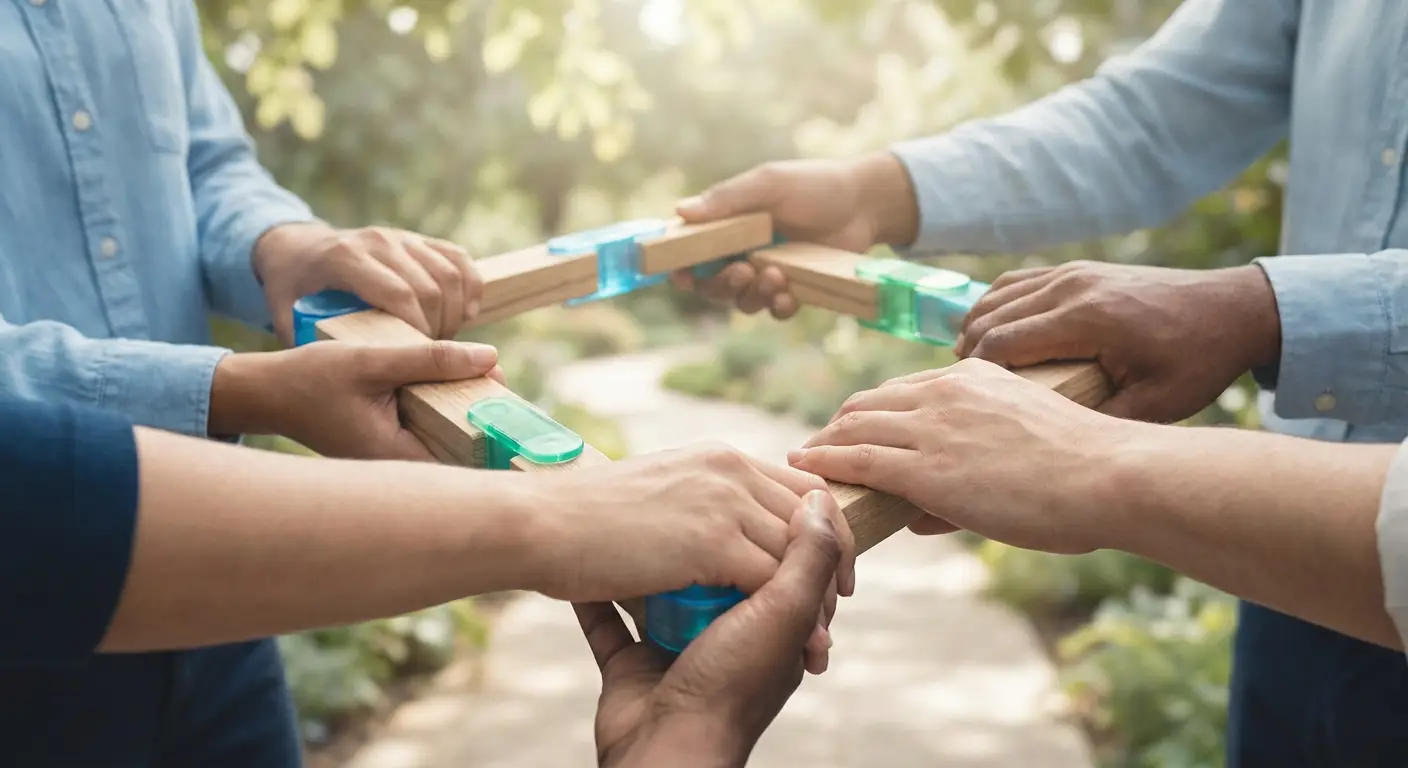
At 1st Choice Detox Treatment Center, we’ve seen firsthand how a well-constructed sober support network serves as the bedrock of lasting recovery. It’s not merely about having people to talk to; it’s about building a multi-faceted, resilient structure that can withstand the inevitable challenges of life after addiction. This article will serve as your analytical guide to understanding not just the importance of a support network, but the science behind it, the distinct components that make it effective, and the practical steps you can take to build one for yourself. We will explore why connection is a biological imperative for recovery and provide a blueprint for architecting a network that fosters resilience, accountability, and genuine, sustained well-being.
Who It’s For
- Individuals who have recently completed or are nearing the end of a detox or residential treatment program.
- Family members and loved ones seeking to understand how to best support someone in their recovery journey.
- Anyone in long-term recovery who wants to strengthen or re-evaluate their existing support system.
Who It’s Not For
- Individuals seeking a quick fix or a method that bypasses the need for social connection and community engagement.
- Those looking for information on acute medical detox protocols, which require direct consultation with medical professionals.
The Neurological Case for Connection in Recovery
A common misconception in recovery is that willpower alone is sufficient to maintain sobriety. While personal resolve is important, this view overlooks the fundamental neurobiology of addiction and recovery. Addiction is a disease that reshapes the brain’s reward, stress, and self-control circuits. According to the National Institute on Drug Abuse (NIDA), prolonged substance use creates powerful conditioned responses, making the brain highly sensitive to triggers and stress.
This is where a support network becomes a neurobiological tool. Here’s why:
- Combating the Stress Response: Stress is a major trigger for relapse. The human brain is wired to seek social connection as a primary coping mechanism. Positive social interactions can buffer the body’s physiological stress response by reducing cortisol levels. A phone call with a sponsor or a coffee with a sober friend isn’t just a pleasant distraction; it’s a biological intervention that helps regulate a brain hypersensitive to stress.
- Rewiring the Reward System: Addiction creates a powerful, singular focus on the substance for feelings of reward and pleasure, primarily through the release of dopamine. Recovery involves teaching the brain to find reward in healthy, natural activities. Social connection is a potent source of this “natural reward.” Activities with supportive peers, praise from a therapist, or a sense of belonging in a group can trigger the release of neurochemicals like oxytocin and serotonin, which promote feelings of well-being, trust, and security. This helps create new, healthy neural pathways that compete with and eventually override the old, addiction-related ones.
- The Analogy of the Scaffolding: Think of a person in early recovery as a historic building undergoing a delicate, intensive restoration. The foundation is being repaired, and the internal structure is being rebuilt. A sober support network is the scaffolding erected around this building. It doesn’t do the work itself, but it provides the essential stability, safety, and external support needed for the intricate internal work to proceed. It protects the structure from storms (triggers and stressors) and provides a platform for the builders (therapists, sponsors, and the individual) to do their job effectively. Eventually, the building will be strong enough to stand on its own, but the scaffolding is non-negotiable during the critical construction phase.
Key Takeaway
A strong, multi-layered sober support network is a statistically significant predictor of successful, long-term recovery from addiction.
Architecting Your Network: The Four Pillars of Support
A robust support network is not monolithic; it’s a diversified portfolio of different types of connections, each serving a unique and vital function. Relying on only one type of support—like only family or only a 12-step group—can leave you vulnerable. A comprehensive network is built on four distinct pillars.
| Pillar of Support | Primary Role | Key Focus | Examples |
|---|---|---|---|
| Clinical Support | Professional Guidance | Evidence-based treatment, skill-building, mental health management. | Therapists, counselors, psychiatrists, case managers, alumni programs. |
| Peer Support | Shared Experience | Mutual understanding, accountability, hope, practical sober living tips. | 12-step groups (AA/NA), SMART Recovery, Dharma Recovery, sober friends. |
| Family & Social Support | Emotional Foundation | Love, encouragement, healthy boundaries, reintegration into daily life. | Supportive family members, trusted long-term friends, partners. |
| Community Support | Sense of Belonging | New sober hobbies, purpose, reducing isolation, positive social identity. | Volunteer organizations, sports leagues, faith-based groups, continuing education. |
Pillar 1: Clinical Support
This is the professional foundation, often established during and immediately after formal treatment. After transitioning from residential addiction treatment, continuing with outpatient therapy, counseling, and case management is critical. These professionals provide structured, evidence-based care to address co-occurring mental health conditions, teach coping skills, and help you navigate the complexities of early recovery. Alumni programs, like those offered by 1st Choice Detox Treatment Center, are an invaluable bridge, providing ongoing professional contact and connection to a community that understands your initial treatment experience.
Pillar 2: Peer Support
This is arguably the most unique and powerful pillar. While a therapist can teach you about recovery, a peer can sit with you and say, “I know exactly how that feels.” This shared experience vanquishes the isolation that is so often a hallmark of addiction. Mutual-help groups provide a structured environment for this connection. The “helper therapy principle” is a surprising insight here: research shows that the act of providing support to another person in recovery (e.g., sponsoring someone) is strongly correlated with one’s own continued sobriety.
Pillar 3: Family & Social Support
This pillar involves navigating and rebuilding relationships with loved ones. It requires open communication, education (for the family), and the establishment of firm, healthy boundaries. For many, this is the most emotionally complex area to navigate. It’s about transforming relationships that may have been damaged by addiction into sources of genuine strength and encouragement. This can sometimes involve family therapy sessions, which are a part of a comprehensive treatment plan.
Pillar 4: Community Support
Recovery is not just about not using substances; it’s about building a life so fulfilling that substances lose their appeal. This pillar involves finding new sources of meaning, purpose, and enjoyment. Joining a hiking club, taking a pottery class, volunteering at an animal shelter, or joining a local sports team helps you build a new social identity—one that isn’t centered on substance use. It fills the time and social vacuum left by addiction with positive, life-affirming activities and connections.
Practitioner Insight
From a clinical perspective, we observe that individuals who actively engage in building all four pillars of support simultaneously demonstrate greater resilience. They are better equipped to handle setbacks because a challenge in one area, such as a disagreement with a family member, can be buffered by strength in another, like support from their peer group or therapist. This diversification is a key strategy for long-term success.
A Practical Blueprint for Building Your Network
Building this network requires proactive, intentional effort. It will not simply materialize. Here are actionable steps to begin construction, starting from day one of your recovery journey.
- Start in Treatment: The process begins the moment you enter a facility like 1st Choice Detox Treatment Center. Engage in group therapy. Connect with peers who are serious about their recovery. Talk to your case manager about post-treatment resources and alumni programs. This is the foundation upon which everything else is built.
- Conduct an Audit and Make a Plan: Sit down and map out your current social circle. Be honest. Who is genuinely supportive? Who might be an enabler or a trigger? Create two lists. Your plan should involve spending more time with the first group and creating respectful distance and boundaries with the second.
- “Sample” Different Peer Groups: There is no one-size-fits-all peer support group. The U.S. Substance Abuse and Mental Health Services Administration (SAMHSA) recognizes the value of many different mutual-help pathways. Attend meetings for different fellowships (AA, NA, SMART Recovery, etc.). Go to different meetings of the same fellowship. Find the group culture and format where you feel you can be honest and connect with others. Commit to attending regularly for at least 90 days to give it a fair chance.
- Practice Reaching Out: A support network is useless if you don’t use it. The most difficult time to reach out is when you need it most. Practice when the stakes are low. Make a commitment to call one sober support person each day, even just to check in for two minutes. This builds the “muscle memory” of connection, so it’s easier to do when you’re struggling.
- Embrace Vulnerability: True connection is impossible without vulnerability. This means sharing honestly in therapy and support groups, even when it’s uncomfortable. It means admitting when you’re having a hard time instead of pretending everything is fine. This is often the most difficult step, but it’s the one that transforms acquaintances into a true support system. This entire process is central to fostering a robust sober network on the recovery journey.
- Become a Giver: As you gain stability in your recovery, look for opportunities to support others. Welcome the newcomer to a meeting. Offer to give someone a ride. Share your experience when it might help someone else. This is not only a service to others; it is a core component of effective relapse prevention strategies for yourself, reinforcing your own commitment and sense of purpose.
Safety & Considerations
- A sober support network is a vital component of recovery, but it is not a substitute for professional medical or psychological care, especially for co-occurring disorders.
- Be cautious about forming romantic relationships in early recovery. Focus on building a wide, stable network of platonic friendships and mentorship first.
- If a person or group within your network makes you feel consistently unsafe, judged, or pressured to compromise your recovery, it is important to disengage and discuss the situation with your therapist or sponsor.
- If you are experiencing a crisis or having thoughts of harming yourself, contact a crisis hotline or dial 911 immediately. Your support network is for ongoing support, not acute emergency management.
Your Network is Your Greatest Asset
The journey of recovery is one of profound transformation, and it is not a journey meant to be taken alone. The evidence is clear: building a diverse, robust, and engaged sober support network is one of the most powerful actions you can take to protect your sobriety and build a fulfilling life. It moves recovery from a battle of individual willpower to a collaborative, community-supported project of rebuilding.
Starting this process can feel daunting, but it begins with a single step: a commitment to connection. At 1st Choice Detox Treatment Center, a Joint Commission-accredited treatment center in Granada Hills, CA, our programs are designed to help you lay the crucial groundwork for this network. We understand that recovery is a continuum of care, and our goal is to equip you not just for sobriety within our walls, but for a thriving life of recovery long after you leave.
Next Step
If you or a loved one is ready to begin the journey of recovery and learn how to build a foundation for lasting success, we are here to help. Our clinical team is available to answer your questions, provide guidance, and help you understand your options. You can call our admissions specialists at +1 (844) 944-3139 to have a confidential conversation or to verify your PPO insurance coverage. For more information about our programs and approach, please visit our website at https://1stchoicedetoxtreatmentcenter.com. Our Granada Hills facility offers accessible parking for visitors and clients.
Quick FAQs
- Q: What if my family isn’t supportive?
* A: This is a common challenge. Focus on building the other pillars of your network (clinical, peer, community). Family therapy can sometimes help, but your primary focus should be on creating a “family of choice” within the recovery community that provides the support you need.
- Q: How do I find sober friends outside of meetings?
* A: Engage in sober activities and hobbies. Join alumni groups, sober sports leagues, or volunteer organizations. Be open about your recovery journey when it feels appropriate; you may be surprised who shares a similar path or is supportive of yours.
- Q: I have social anxiety. How can I possibly build a network?
* A: Start small. Your therapist is a safe first connection. Try listening in meetings before sharing. Set a small goal, like talking to one person for two minutes after a meeting. Building a network is a gradual process, and each small step builds confidence for the next.
About the Reviewer
1st Choice Detox Treatment Center Review Team, Medical Director
Credentials: MD
Last reviewed: July 2026
All content is reviewed by our Medical Director, Licensed Marriage and Family Therapist, Clinical Review Team, and Marketing Review Team before publication. 1st Choice Detox Treatment Center is DHCS licensed, Joint Commission accredited, LegitScript approved, and BBB accredited. Content is for educational purposes only and does not constitute medical advice.
Sources & Further Reading
- Tracy, K., & Wallace, S. P. (2016). Benefits of peer support groups in the treatment of addiction. Substance Abuse and Rehabilitation, 7, 143–154. https://doi.org/10.2147/SAR.S81535
- National Institute on Drug Abuse (NIDA). (2020). Drugs, Brains, and Behavior: The Science of Addiction. Retrieved from https://www.nida.nih.gov/publications/drugs-brains-behavior-the-science-of-addiction/drug-misuse-addiction
- Substance Abuse and Mental Health Services Administration (SAMHSA). (2020). Finding Quality Treatment for Substance Use Disorders. Retrieved from https://www.samhsa.gov/sites/default/files/finding-quality-treatment-for-substance-use-disorders.pdf
- Laudet, A. B., & White, W. L. (2008). Long-term remission from substance use disorders: “process is progress”. Substance Use & Misuse, 43(12-13), 1745–1749. https://doi.org/10.1080/10826080802294435
- Best, D., et al. (2016). The role of recovery capital in generating and sustaining recovery from substance use disorders. Addiction Research & Theory, 24(3), 177-179. https://doi.org/10.3109/16066359.2016.1143829
- Groh, D. R., Jason, L. A., & Keys, C. B. (2008). The helper therapy principle: A social network analysis of mutual-help group members. American Journal of Community Psychology, 42(1-2), 111–119. https://doi.org/10.1007/s10464-008-9193-4
- Polcin, D. L., & Korcha, R. (2017). Social Support, Sobriety, and the Perceived Role of the Sober Living House. Journal of Psychoactive Drugs, 49(3), 246–253. https://doi.org/10.1080/02791072.2017.1306560