Comprehensive Guide to Medical Detox: What to Expect During Withdrawal
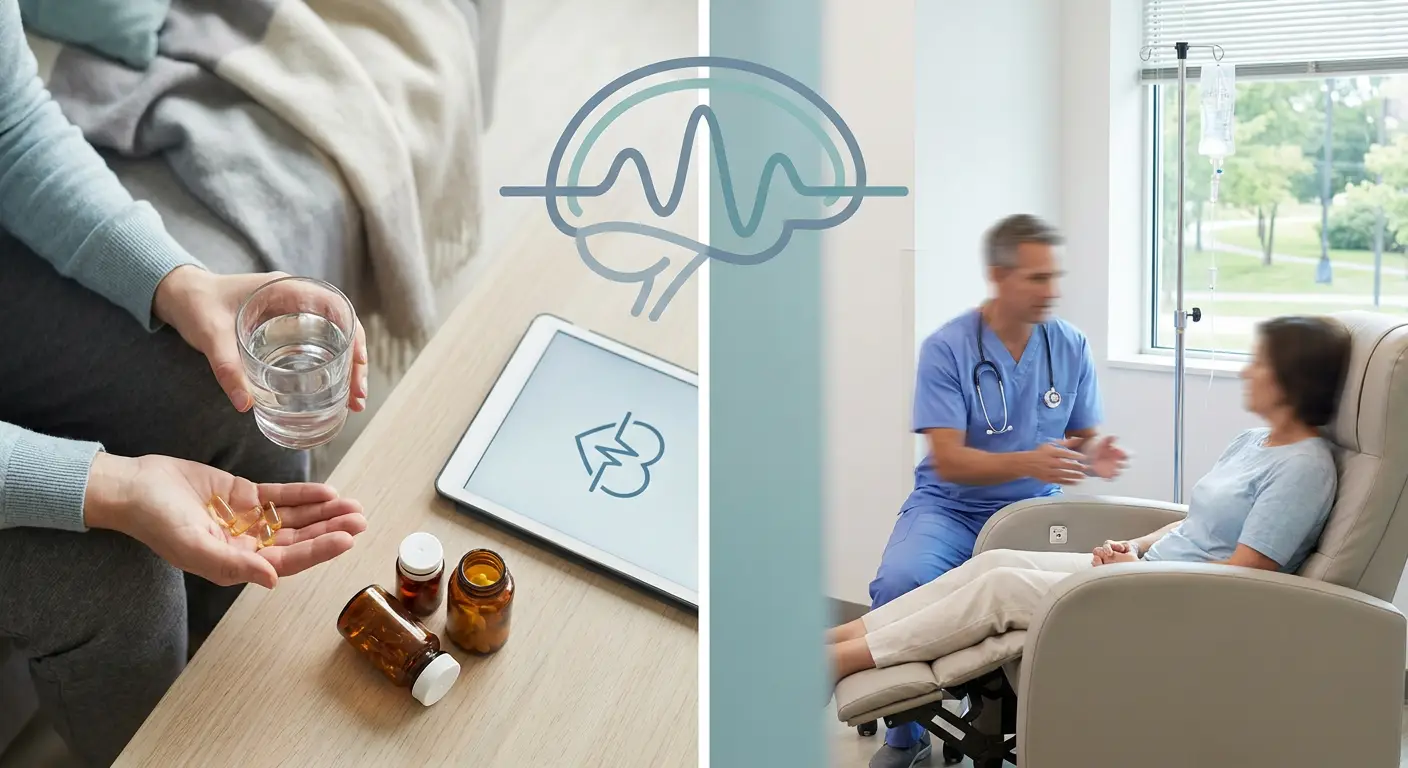
Have you ever wondered what really happens when your body begins to heal from substance use? Medical detox is a supervised process that safely manages withdrawal symptoms using medication and 24/7 clinical support, providing the most secure foundation for recovery. It’s a guided journey, not a battle fought alone, and understanding the path ahead can transform fear into empowerment.
Taking the first step toward recovery is a monumental act of courage. The thought of withdrawal can be daunting, filled with uncertainty and fear. But you don’t have to face it by yourself. In fact, for many substances, you shouldn’t. According to the 2022 National Survey on Drug Use and Health, 48.7 million people aged 12 or older had a substance use disorder (SUD) in the past year. You are not alone in this, and there is a safe, evidence-based path forward. This guide is your companion, here to walk with you and illuminate what you can expect during a medically supervised detox.
This content has been reviewed for medical accuracy by the 1st Choice Detox Treatment Center Medical & Clinical Review Team. Last updated: May 2026.
Who This Guide Is For
This comprehensive guide is for you if you are:
- Considering stopping the use of alcohol, opioids, benzodiazepines, or other substances and are worried about withdrawal.
- A family member or loved one seeking to understand how to best support someone on their recovery journey.
- Looking for clear, evidence-based information about what happens during a professional detox program.
Why Is Supervised Detox the Gold Standard of
Attempting to detox on your own, often called “going cold turkey,” can seem like the most direct route. However, for many substances, it is not only intensely uncomfortable but also medically dangerous. The American Society of Addiction Medicine (ASAM) has established clear guidelines recommending medically managed withdrawal for specific substances due to the high risk of severe complications.
Unsupervised withdrawal from alcohol, for instance, can lead to seizures or delirium tremens (DTs), a condition that is fatal in up to 5% of cases without proper medical management. Similarly, abrupt cessation of benzodiazepines can trigger life-threatening seizures and profound psychological distress.
Let’s compare the two approaches with a data-driven lens:
| Feature | At-Home (“Cold Turkey”) Detox | Medically Supervised Detox |
|---|---|---|
| Medical Safety | No monitoring; high risk of seizures, dehydration, cardiac events, and death. | 24/7 medical supervision by nurses and physicians to manage and prevent complications. |
| Symptom Management | No access to prescription medications for comfort and safety. | Use of FDA-approved medications to ease withdrawal symptoms, reduce cravings, and ensure stability. |
| Psychological Support | Isolation; increased risk of anxiety, depression, and giving up due to distress. | Access to therapists and counselors to manage emotional challenges and build coping skills. |
| Success Rate | Lower likelihood of completing detox; higher rates of immediate relapse due to severe discomfort. | Significantly higher rates of successful detox completion and transition to ongoing treatment. |
A medically supervised program like the one at 1st Choice Detox Treatment Center isn’t just about managing risk; it’s about providing a foundation of comfort, dignity, and stability. Think of it as navigating a turbulent sea. You can try to row a small boat through the storm alone, or you can be on a sturdy ship with an expert crew that knows the waters, has the right equipment, and is dedicated to getting you safely to shore. To learn more about the foundational principles, you can explore our guide on what medical detox is and why it’s the first step to recovery.
Your Journey Through Detox: A Step-by-Step Walkthrough
Entering a detox facility can feel overwhelming, but the process is structured, compassionate, and designed entirely around your safety and well-being. Here’s a look at the typical stages you’ll walk through with our team.
Step 1: Compassionate Intake and Comprehensive Assessment
Your journey begins the moment you connect with us. This first phase is not an interrogation; it’s a conversation. Our clinical team will meet with you to understand your unique situation. We’ll discuss:
- Medical History: Any pre-existing conditions, allergies, or current medications.
- Substance Use History: The types of substances used, frequency, and duration. This helps us anticipate the specific nature of your withdrawal.
- Mental Health: A dual-diagnosis assessment to identify any co-occurring conditions like anxiety, depression, or trauma that need to be addressed concurrently.
This information is vital. It allows our physicians to create a personalized detox protocol tailored precisely to your physiological and psychological needs. This is the blueprint for your safe and comfortable stabilization.
Step 2: Stabilization and Withdrawal Management
This is the core of the detox process. As your body begins to clear the substance, withdrawal symptoms will emerge. Our primary goal during this phase is to keep you safe and as comfortable as possible. This is achieved through:
- 24/7 Medical Monitoring: Our nursing staff is present around the clock, monitoring vital signs, assessing your comfort level, and responding immediately to any needs.
- Medication-Assisted Treatment (MAT): Based on your assessment, our physicians may prescribe specific, FDA-approved medications. These are not a substitute for the substance but are tools to alleviate the most severe symptoms. For example, medications can prevent seizures during alcohol withdrawal or ease the intense body aches and nausea of opioid withdrawal.
- Nutritional and Hydration Support: Substance use can deplete the body of essential nutrients. We provide balanced, nourishing meals and, if necessary, IV hydration therapy to help your body begin the physical healing process.
Step 3: Preparing for the Next Chapter in Your Recovery
Detox is the critical first step, but it is not the last. Lasting recovery is built on continued care. As you become more stable, your care team will begin working with you on an aftercare plan. This involves:
- Therapeutic Introduction: You’ll meet with counselors to begin processing the emotional aspects of addiction and start building healthy coping strategies.
- Level of Care Assessment: We’ll help determine the best next step for you, whether it’s a residential treatment program, an intensive outpatient program (IOP), or other community-based support.
- Family Involvement: With your permission, we can involve loved ones to help build a strong support system for your return home.
The goal is to ensure you leave detox not just physically stable, but with a clear, actionable plan for your long-term wellness. This transition is a key focus, and understanding the role of aftercare planning in long-term addiction recovery is crucial for sustained success.
What Will Withdrawal Feel Like? A Substance-Specific Overview
Withdrawal is a highly individual experience, influenced by factors like the substance used, duration of use, physical health, and genetics. However, there are general patterns. The information below is a general guide; your experience will be managed by our medical team to minimize discomfort. For a deeper dive, you can read our detailed breakdown of common withdrawal symptoms and how they’re managed.
| Substance | Typical Onset of Symptoms | Peak Severity | Common Symptoms |
|---|---|---|---|
| Alcohol | 6-24 hours after last drink | 24-72 hours | Anxiety, tremors, nausea, insomnia, sweating. Severe: hallucinations, seizures, delirium tremens (DTs). |
| Opioids (Heroin, Fentanyl, Painkillers) | 8-24 hours after last use | 48-72 hours | Muscle aches, agitation, diarrhea, vomiting, sweating, intense cravings, runny nose, yawning. |
| Benzodiazepines (Xanax, Valium, Klonopin) | 1-4 days after last use (short-acting) or 2-7 days (long-acting) | Can last several weeks (tapering is essential) | Anxiety, panic, insomnia, muscle spasms, irritability. Severe: seizures, psychosis, rebound anxiety. |
| Stimulants (Cocaine, Methamphetamine) | Within hours to a few days | 7-10 days | Intense depression (“crash”), fatigue, increased appetite, vivid dreams, agitation, paranoia. |
It’s natural to have fears about this process, many of which are fueled by misinformation. We encourage you to explore our resource on debunking common detox myths to separate fact from fiction.
Safety & Considerations
Your safety is the absolute priority. Please consider the following before attempting to stop substance use:
- Never Attempt to Detox Alone: Abruptly stopping alcohol or benzodiazepines without medical supervision can be fatal. Seizures, delirium tremens, and severe dehydration are life-threatening risks that require immediate medical intervention.
- Be Honest with Medical Staff: Provide a complete and honest history of your substance use and health. This information is confidential and crucial for creating a safe and effective detox plan for you.
- Detox is Not a Cure: Medically supervised withdrawal stabilizes you physically but does not “cure” addiction. It is the first, essential step that makes it possible to engage in the psychological and behavioral work of long-term recovery.
- Consult a Professional: This guide is for informational purposes only and is not a substitute for a professional medical evaluation. Always consult with a qualified healthcare provider to determine the appropriate level of care for your specific situation.
The Hidden Benefits of a Medically Guided Process
While safety is the most critical benefit, the advantages of a professional detox program extend far beyond just physical stabilization. This is where the true healing begins.
A Sanctuary for Psychological Healing
Withdrawal is an emotionally raw time. In a supervised setting, you are not left alone with your thoughts. You have immediate access to licensed therapists and counselors who can help you:
- Manage the intense anxiety and depression that often accompany withdrawal.
- Develop initial coping skills for cravings.
- Begin to address the underlying issues that may have contributed to substance use.
This emotional support is just as important as the medical care. It validates your experience and provides a sense of hope and connection when you are at your most vulnerable.
Restoring Your Physical Foundation
Addiction takes a heavy toll on the body. A professional detox program focuses on holistic healing. At 1st Choice Detox Treatment Center, we prioritize restoring your physical health with chef-prepared, nutrient-dense meals designed to replenish what has been lost. This nutritional support helps accelerate healing, improve mood, and restore energy levels, making the entire process more manageable.
Finding the Right Path for You
Every recovery journey is unique. A one-size-fits-all approach simply doesn’t work. During your time in detox, our team gets to know you as a person. This allows us to provide highly personalized recommendations for your next steps, ensuring you transition into a program that fits your needs, personality, and life circumstances. If you’re exploring your options, our guide on choosing the right detox program for your journey can provide valuable insights.
Key Takeaway
Medical detox is a safe, supervised process that uses medication and 24/7 clinical support to manage withdrawal, preventing dangerous complications and creating a stable foundation for recovery.
Charting Your Course to a New Beginning
The path of recovery begins with a single, courageous step. Understanding what to expect during medical detox can demystify the process and replace fear with a sense of readiness. You have the strength to do this, and more importantly, you don’t have to do it alone. We are here to be your guides, your support system, and your partners in building a healthier, brighter future. When you are ready, we are here to walk alongside you.
Next Step
Ready to take the first step toward a new life? The compassionate care team at 1st Choice Detox Treatment Center is here to help you navigate the process safely and comfortably. Book a confidential consultation now or call our 24/7 helpline at +1 (844) 944-3139.
We proudly serve the greater Los Angeles area and the San Fernando Valley from our accredited facility in Granada Hills, CA, offering ample private parking and convenient freeway access.
Your questions answered
Frequently Asked Questions
FAQ #1: How long does medical detox usually take?
A: The duration varies by substance and individual factors but typically ranges from 5 to 10 days. Our medical team will create a personalized timeline based on your specific needs to ensure a safe and complete withdrawal process.
FAQ #2: Will I be in pain during detox?
A: Our primary goal is to manage your comfort. While some discomfort is a natural part of withdrawal, we use proven medical protocols and FDA-approved medications to significantly reduce pain, anxiety, and other distressing symptoms, making the experience as gentle as possible.
FAQ #3: Is my treatment confidential?
A: Absolutely. We are bound by strict HIPAA regulations. Your privacy and confidentiality are paramount. All communication, from your first call to your treatment records, is protected and secure.
About the Reviewer
1st Choice Detox Treatment Center’s Medical & Clinical Review Team, Medical Director & Lead Clinical Content Reviewer — Board-Certified Addiction Medicine Physicians, Licensed Clinicians & Joint Commission–Accredited Care Team
Credentials: MD, Board Certified in Addiction Medicine (ABPM) | Board Certified in Internal Medicine (ABIM) | DEA-Licensed Prescriber for Medication-Assisted Treatment (MAT) | LMFT (Licensed Marriage and Family Therapist) | | RN, BSN — Detox Nursing Specialists | Joint Commission Accredited Facility | Licensed by the California Department of Health Care Services (DHCS)
The 1st Choice Detox Treatment Center Medical & Clinical Review Team brings together more than 25 years of combined experience in addiction medicine, medically supervised detoxification, dual-diagnosis treatment, and evidence-based behavioral health care. Our reviewers include board-certified addiction medicine physicians, DEA-licensed MAT prescribers, registered detox nurses (RN, BSN), and licensed therapists (LMFT) who work directly with clients every day inside our Joint Commission–accredited, DHCS-licensed Granada Hills, California facility.
Every blog, resource, and educational article published on 1st Choice Detox Treatment Center’s website is fact-checked against the most current ASAM clinical criteria, SAMHSA TIP guidelines, DSM-5-TR diagnostic standards, FDA-approved MAT protocols, and California DHCS regulations to guarantee medical accuracy, patient safety, and ethical compliance. Our team follows a strict 10-point editorial review protocol covering clinical accuracy, medication safety, withdrawal management precision, HIPAA-safe storytelling, stigma-free language, citation of authoritative .gov and peer-reviewed sources, readability, accessibility, SEO alignment, and actionable patient takeaways before any content is published.
What makes our review process Google-rank-worthy is the combination Google’s Helpful Content System specifically rewards: licensed medical experts, accredited facility authority, and first-hand clinical experience treating thousands of clients through alcohol detox, opioid detox, benzodiazepine tapering, stimulant recovery, and co-occurring mental health stabilization. We pair physician-grade expertise with compassionate, real-world insight from clinicians who guide patients through the most vulnerable hours of recovery.
Our mission is to deliver the most medically accurate, trustworthy, and patient-centered detox education on the internet, so individuals and families searching for safe, supervised, life-saving care find answers backed by accredited professionals who treat addiction every single day.
Sources & Further Reading
- Substance Abuse and Mental Health Services Administration (SAMHSA). (2022). Key substance use and mental health indicators in the United States: Results from the 2022 National Survey on Drug Use and Health. https://www.samhsa.gov/data/report/2022-nsduh-annual-national-report
- The ASAM Clinical Practice Guideline on Alcohol Withdrawal Management. (2020). American Society of Addiction Medicine. https://www.asam.org/quality-care/clinical-guidelines/clinical-practice-guideline-on-alcohol-withdrawal-management
- National Institute on Drug Abuse (NIDA). (2020). Principles of Drug Addiction Treatment: A Research-Based Guide (Third Edition). https://nida.nih.gov/publications/principles-drug-addiction-treatment-research-based-guide-third-edition
- Kampman, K., & Jarvis, M. (2015). American Society of Addiction Medicine (ASAM) National Practice Guideline for the Use of Medications in the Treatment of Addiction Involving Opioid Use. Journal of addiction medicine, 9(5), 358–367. https://doi.org/10.1097/ADM.0000000000000166
- Center for Substance Abuse Treatment. (2006). Detoxification and Substance Abuse Treatment. Treatment Improvement Protocol (TIP) Series, No. 45. Substance Abuse and Mental Health Services Administration (US). https://www.ncbi.nlm.nih.gov/books/NBK64119/
- Myrick, H., & Anton, R. F. (1998). Treatment of alcohol withdrawal. Alcohol health and research world, 22(1), 38–43. https://www.ncbi.nlm.nih.gov/pmc/articles/PMC6761824/
- Brett, J., & Murnion, B. (2015). Management of benzodiazepine misuse and dependence. Australian prescriber, 38(5), 152–155. https://doi.org/10.18773/austprescr.2015.055