Ethical Addiction Treatment in Los Angeles

JCAHO Accredited
HCO ID: 715830

Licensed by California DHCS
LOC Designated Number/DHCS State License Number: 191309BP

LegitScript Certified
This website has passed rigid compliance tests for ethics and clinical accuracy.
What Is Addiction and Addiction Treatment? A Compassionate Guide for Families, Loved Ones, and Anyone Ready to Understand
If you found this page, something brought you here. Maybe you’re watching someone you love disappear into a substance you don’t understand. Maybe you’re the one struggling, quietly wondering if what you’re feeling has a name. It does — and you are not alone.
1st Choice Detox is here — not to lecture you, but to walk alongside you. This guide explains what addiction really is, how it changes the brain and body, what withdrawal feels like by substance, and how to help someone you love take the first step.
Confidential – No Obligation – Joint Commission Accredited
What Is Addiction? A Chronic, Treatable Medical Disease
What is addiction? Addiction — clinically known as substance use disorder (SUD) — is a treatable, chronic medical disease involving complex interactions between brain circuits, genetics, environment, and life experiences. That definition comes directly from the American Society of Addiction Medicine (ASAM) and is echoed by the National Institute on Drug Abuse (NIDA) and the American Medical Association.
Addiction is not a moral failure, a character flaw, or a lack of willpower. When a person develops an addiction, the brain’s reward, motivation, memory, and executive-function circuits are physically altered. Dopamine signaling becomes dysregulated, the prefrontal cortex (the brain’s “brake pedal”) loses authority over the limbic system (the “gas pedal”), and the body adapts to require the substance just to feel normal — a state called physical dependence.
That is what makes addiction so devastating and so misunderstood. It is not weakness. It is a brain that has been chemically hijacked — and, with the right medical care, it can heal. Understanding this is the first step toward compassion, and toward recovery.
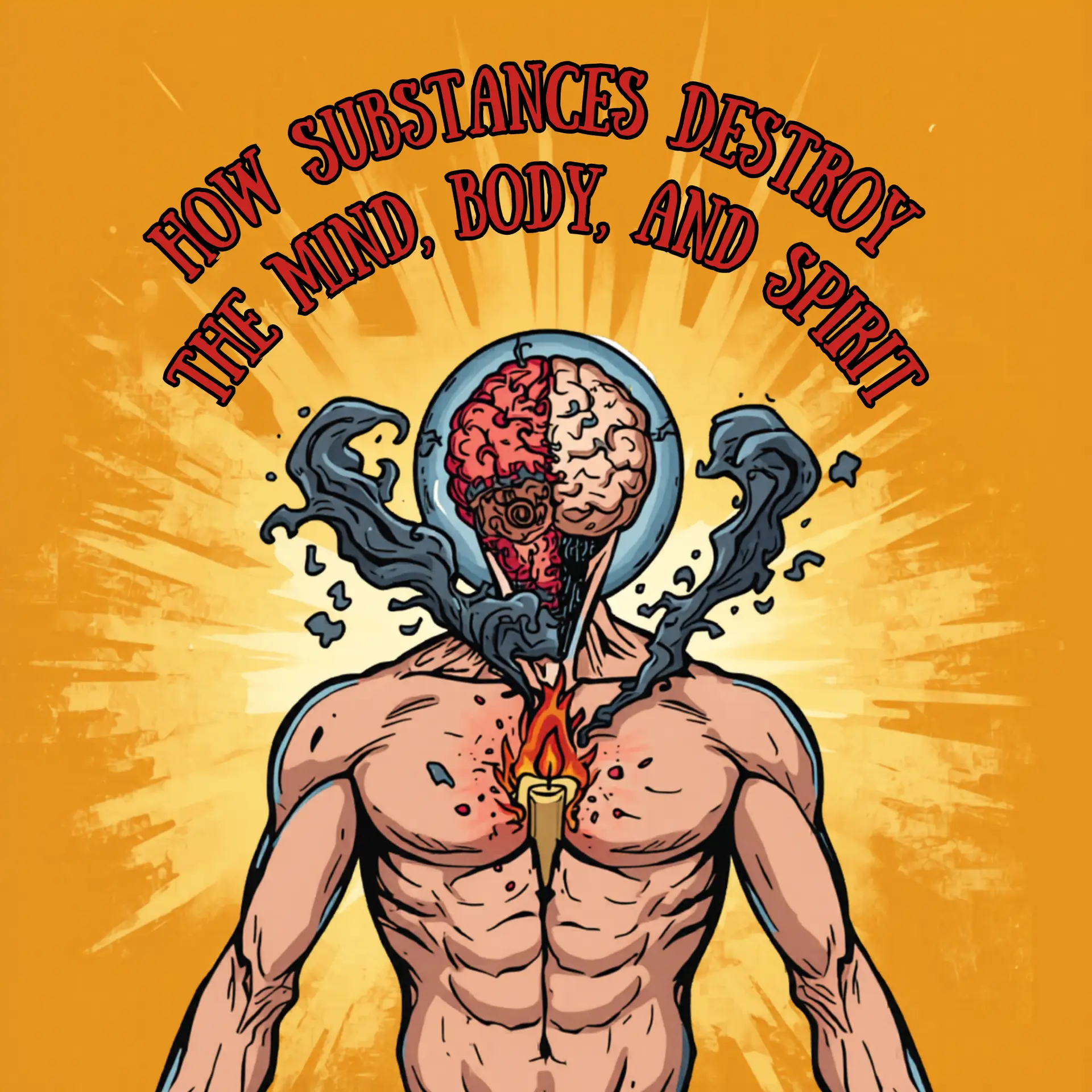
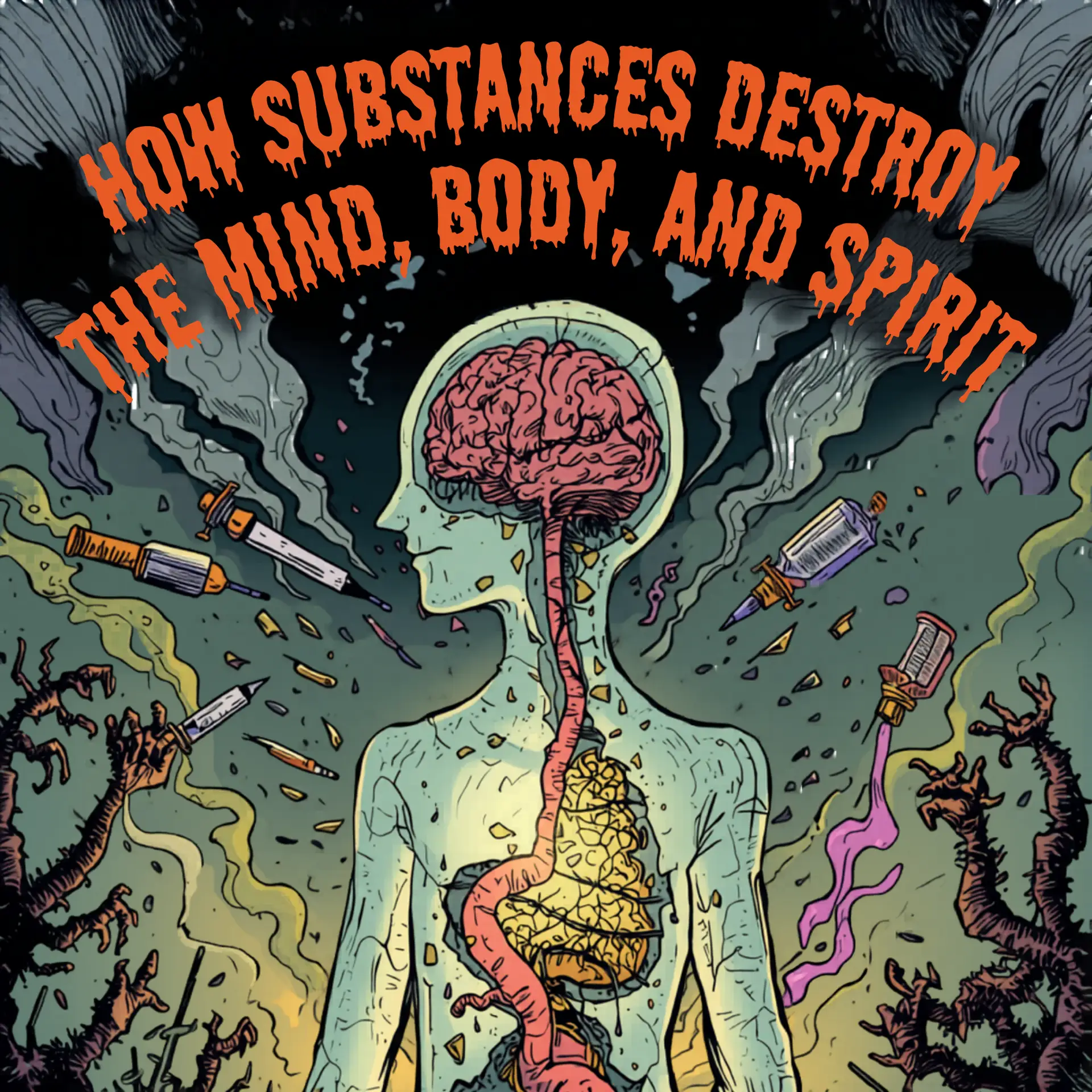
What Addiction Does to the Whole Person
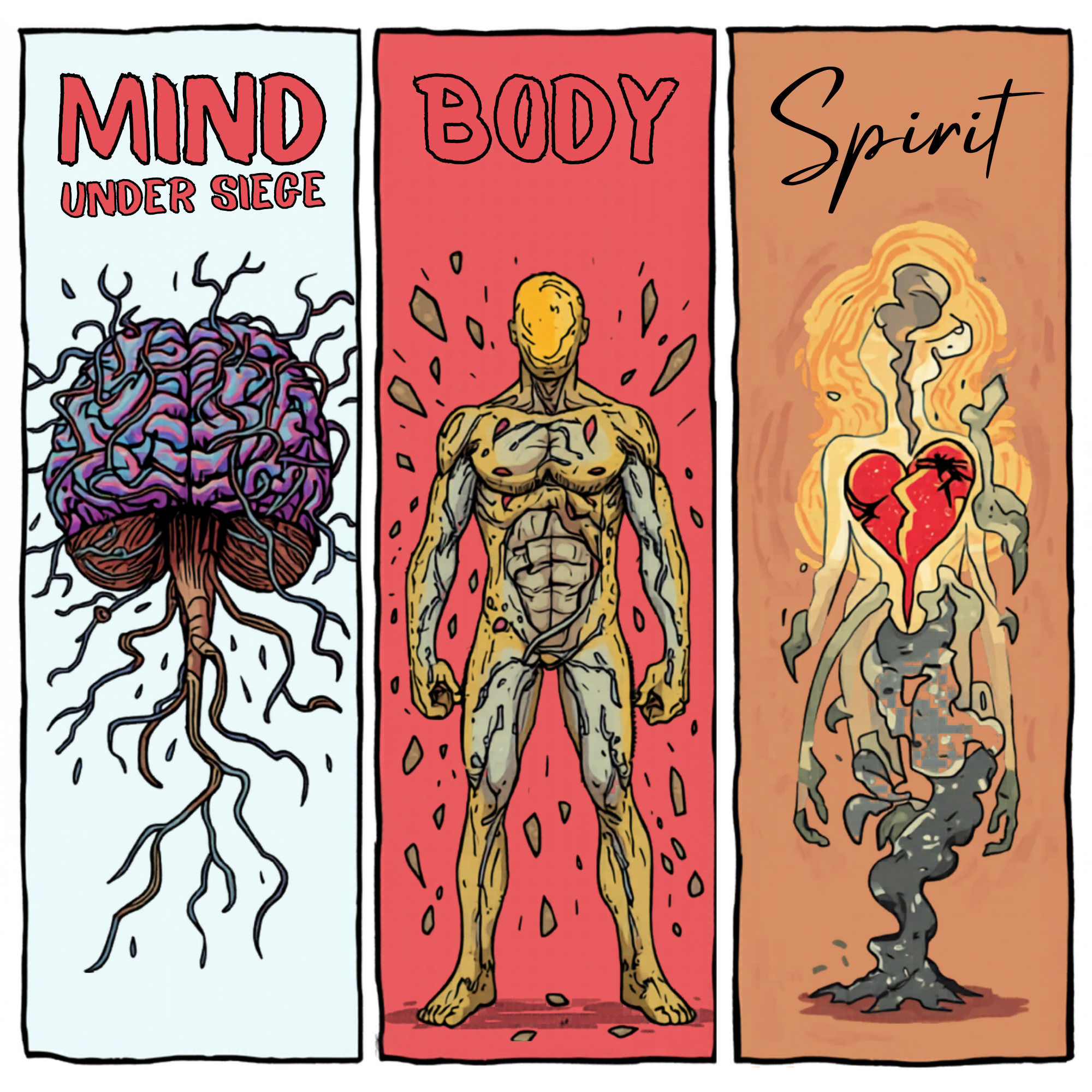
Addiction does not only live in a needle, a bottle, or a pill. It lives inside a person — and it attacks on three fronts simultaneously.
The Mind — How Addiction Rewires the Brain
Addiction alters the brain’s reward system, releasing dopamine at levels that natural pleasures — food, connection, accomplishment — cannot match. Over time, the brain downregulates its own dopamine receptors, meaning normal life feels muted and the substance becomes the only reliable source of relief. Memory falters, judgment narrows, and the ability to feel joy (a state clinicians call anhedonia) fades. A person living with addiction is not irrational — their neurobiology has been restructured to prioritize the substance above everything else, including the people they love.
The Body — The Physical Toll of Substance Use Disorder
Substance dependence causes profound physical changes. The liver, heart, kidneys, and immune system all bear the weight of prolonged use. Sleep architecture is destroyed. Nutrition is stripped. The nervous system, once regulated by natural chemistry, becomes dependent on an external substance to function at all. When that substance is removed, the body enters a state of chemical revolt — a process called withdrawal — which can range from deeply uncomfortable to life-threatening depending on the substance
The Spirit — The Hidden Wound of Addiction
This is the part rarely captured in a medical textbook, but families see it every day. The spark in a person’s eyes dims. Purpose disappears. Shame builds walls. Isolation becomes survival. The person begins to feel like a burden, broken beyond repair, undeserving of help. This spiritual erosion is one of the most painful dimensions of addiction — and one of the strongest reasons recovery must treat the whole person, not only the substance.
Signs of Addiction — How to Recognize When Someone Is Struggling
Sometimes the hardest part is knowing. Addiction is a master of disguise — people hide it, minimize it, and often genuinely believe they have it under control. The signs of addiction below are grounded in the DSM-5-TR diagnostic criteria for substance use disorder.
Behavioral Signs of Addiction
These are observable patterns in how the person acts day to day.
- Loss of control — using more than intended, or for longer than intended
- Unsuccessful attempts to cut down despite genuinely wanting to stop
- Sudden secrecy — hiding phone activity, vague explanations, unexplained absences
- Social withdrawal — canceling plans, isolating, losing interest in previously loved activities
- Continued use despite consequences — after an accident, a health scare, a broken relationship
Physical Signs of Addiction and Withdrawal
These are the body's visible and measurable responses to substance use.
Sudden, unexplained weight loss or gain
Changes in pupil size — unusually large or pinpoint small
Declining hygiene or physical appearance
Bloodshot eyes, trembling hands, or unsteady movement
Exhaustion that doesn’t match their activity level
Emotional Signs of a Substance Use Disorder
Extreme mood swings — euphoria followed by deep crashes
Irritability, paranoia, or unexplained anxiety
Depression that worsens over time
Emotional numbness — seeming detached or “not there”
Practical Signs
Unexplained financial problems — missing money or valuables
Legal troubles — DUIs, arrests, or legal disputes
Multiple failed attempts to cut down or stop on their own
“If this list sounds familiar, you are not imagining things — and you are not alone. Recovery is possible, and help is available right now.”
Withdrawal Symptoms — What the Body and Mind Go Through
Most people have heard the word “withdrawal.” Very few understand what it feels like to live through it.
Imagine the worst flu you’ve ever had — aching bones, fever, restlessness. Now add waves of anxiety so intense your heart races while you lie still. Layer on a depression as heavy as grief. And beneath it all, cravings powerful enough to drown out every logical thought. That is withdrawal.
Why it happens (the neuroscience): When the brain adapts to a substance, it rebalances its own chemistry around the drug’s presence. Remove the drug suddenly and the body overcorrects — GABA (the brain’s calming neurotransmitter) plummets while glutamate (the excitatory one) surges. The result is the hyperactive, painful, sometimes dangerous state we call withdrawal.
This is why detox should never be attempted alone.
Medical detox at 1st Choice Detox provides 24/7 clinical monitoring, FDA-approved medication-assisted treatment (MAT), and a safe environment — so that withdrawal does not have to be a reason to give up.
Use Our Interactive Tool to Learn What Withdrawal May Feel Like
Dual Diagnosis — When Addiction and Mental Illness Collide
One of the most important truths in addiction medicine: most people who struggle with addiction are also struggling with a co-occurring mental health condition. Depression, anxiety, PTSD, bipolar disorder, and ADHD are not separate problems — they are part of the same story.
This is called a dual diagnosis (or co-occurring disorder). According to SAMHSA’s 2023 National Survey on Drug Use and Health, over 21 million U.S. adults live with co-occurring disorders. When mental illness and addiction overlap, each feeds the other. Treating only the substance without treating the mental health condition almost always leads to relapse — which is why integrated dual diagnosis treatment is the clinical gold standard.
At 1st Choice Detox, every patient is screened for co-occurring conditions at intake. → [Link: Dual Diagnosis Program]
Levels of Addiction Treatment and Where We Fit
Addiction treatment is organized into levels of care that match the intensity of support to what someone actually needs clinically. Most people do not pick one level and stay there. They start where their medical situation requires and step down as they stabilize. The ASAM criteria are the standard framework used across the field to make that assessment, weighing withdrawal risk, medical conditions, mental health, and living environment rather than substance alone.
1st Choice Detox Treatment Center provides two of these levels. We are a medical detox and residential treatment facility. We do not operate outpatient programs, and we are direct about that because knowing where a facility stops is as important as knowing what it offers.
Medical Detox
Round the clock physician and nursing supervision while substances leave the body, typically five to ten days. Comfort medications manage withdrawal symptoms and reduce medical risk. This is the necessary starting point when withdrawal carries real danger, particularly with alcohol, benzodiazepines, and opioids. Our DHCS license includes approval to provide incidental medical services, which is what allows our physician to manage withdrawal here rather than sending you elsewhere for medical oversight.
Residential Treatment
Live-in care after medical stabilization, usually completing a roughly 30 day program. Days are structured around individual therapy, group work, and skill building, with 24 hour staff support in a substance free environment. This is where the drivers behind the substance use get addressed rather than just the physical dependence. With six beds, our clinical team works with every client individually rather than managing a caseload.
What We Provide On Site
What Comes After, and How We Help You Get There
1. Partial hospitalization (PHP)
— full days of clinical programming while living at home or in sober living
2. Intensive outpatient (IOP)
— roughly 9 to 15 hours per week, scheduled around work or school
3. Standard outpatient
— weekly therapy and medication management for longer term stability
Sober living and recovery residences
— structured substance free housing alongside outpatient care
Your case manager begins discharge planning well before your last day. We make the calls ourselves, coordinate the transfer, and confirm your admission with the receiving provider before you leave. That is a warm handoff, not a referral list, and it exists because the gap between leaving one program and starting the next is where people are most likely to relapse.
We receive no compensation of any kind for these referrals, and we pay nothing to receive clients. Placement decisions are based on clinical fit and what your insurance will cover, nothing else. In an industry where paid referral arrangements are both common and illegal, we think that is worth stating plainly.
We also stay in touch. Our alumni remain connected to us after discharge, because recovery does not end when a program does.
Not everyone needs every level, and not everyone starts at the top. Someone with a short use history and no withdrawal risk may not need detox at all. Someone with years of daily alcohol use will almost certainly need it first. That determination is clinical, not something to guess at from a website, which is why our admissions process starts with a conversation about your specific situation before anything else.
Our dedicated team is here to guide you through every step of recovery.
Licensed, Accredited, and Medically Staffed
LegitScript Certified
— independently verified and continuously monitored
Joint Commission Accredited
— HCO ID 715830, valid through May 2028
Licensed by California DHCS
— license 191309BP, including approval for incidental medical services on site
Medical Director
— Board-Certified Addiction Medicine Physician
Small, private setting — six beds, not forty
— a deliberately small census so clinicians know every client
24/7 medical staffing and monitoring
— physician and nursing oversight throughout detox
Understanding Addiction and Withdrawal Symptoms by Substance
Everyone’s story is different. The substance matters — because different drugs attack the brain and body in different ways, produce different withdrawal experiences, and require different medical protocols.a
Alcohol Addiction & Withdrawal
Alcohol is the most socially accepted substance in the world — and one of the most dangerous to stop without medical help. When the body has become dependent, alcohol withdrawal can trigger seizures and a potentially fatal condition called Delirium Tremens (DTs). DTs occur in roughly 3–5% of people undergoing alcohol withdrawal and carry a mortality rate of up to 5% when untreated. Alcohol is one of only a few substances where stopping cold turkey can be deadly.
Withdrawal timeline:
Hours 12–48:
Possible hallucinations, escalating anxiety, elevated blood pressure and heart rate
Hours 48–72:
Peak DTs risk — fever, rapid heart rate, confusion, seizures
Weeks 2–4:
Emotional rebound, depression, disrupted sleep, persistent cravings (PAWS)
Medical detox for alcohol is not optional. It is lifesaving. → [Link: Alcohol Detox Program]
Opioid, Heroin & Fentanyl Addiction & Withdrawal
Opioids — prescription painkillers, heroin, and fentanyl — create one of the most powerful physical dependencies known to medicine. The brain’s mu-opioid receptors are flooded and eventually stop functioning normally without the drug. Fentanyl is roughly 50–100 times more potent than morphine, which means dependence forms faster and withdrawal hits harder.
Withdrawal timeline:
Hours 6–24:
Restlessness, anxiety, muscle aches, runny nose, sweating, insomnia
Hours 24–72:
Peak — severe cramps, vomiting, diarrhea, rapid heart rate, dilated pupils, shaking
Days 3–7:
Psychological storm — crushing depression, intense cravings, emotional rawness
Weeks to months:
Post-Acute Withdrawal Syndrome (PAWS) — lingering depression, anxiety, cravings
We use FDA-approved Medication-Assisted Treatment — including buprenorphine/naloxone (Suboxone) and buprenorphine (Subutex) protocols — to make opioid detox survivable, safe, and humane. → [Link: Opioid Detox Program]
Benzodiazepine (Xanax, Klonopin, Valium, Ativan) Addiction & Withdrawal
Benzodiazepines are prescribed by well-meaning doctors for anxiety, panic, and insomnia — but long-term use, even at prescribed doses, can create a dependence that is dangerous to reverse. Benzo withdrawal is, along with alcohol, one of the few withdrawal syndromes that can cause life-threatening seizures.
Withdrawal timeline:
Days 1–4 (Early):
Rebound anxiety (often worse than original), insomnia, tremors, headaches
Weeks 1–4 (Acute):
Panic, muscle spasms, nausea, hallucinations, cognitive fog, seizure risk
Months 1–12+ (Protracted):
Persistent anxiety, memory issues, sensory hypersensitivity, "benzo electrical shocks," depression
Never stop benzodiazepines abruptly. We create individualized medical taper protocols to keep you safe. → [Link: Benzo Detox Program]
Methamphetamine Addiction & Withdrawal
Methamphetamine floods the brain’s reward circuitry with dopamine at levels far exceeding any natural reinforcer — according to NIDA, up to roughly ten times the normal reward response. The result is a brain chemically rewired to crave the drug and feel incapable of joy without it.
Withdrawal timeline:
First 24–48 hours ("The Crash"):
Profound exhaustion, immediate depression, intense hunger, hypersomnia
Days 3–10 (Acute Peak):
Severe dysphoria, cravings, agitation, paranoia, possible psychosis, anhedonia
Weeks to months:
Lingering depression, mood swings, fatigue, potential suicidal ideati
Suicidal thoughts during meth withdrawal are a medical emergency. Call 988 (Suicide & Crisis Lifeline) or our 24/7 line immediately. → [Link: Meth Detox Program]
Cocaine & Crack Addiction & Withdrawal
Cocaine and crack create an intense, short-lived high that drives compulsive re-use. The cardiovascular stress is severe: heart attacks and strokes have occurred in young, otherwise healthy users. Because cocaine withdrawal is not as visibly dramatic as opioid or alcohol withdrawal, it is often underestimated.
Withdrawal timeline:
Days 1–3 (Crash):
Profound fatigue, depression, hypersomnia, increased appetite
Days 4–14 (Acute):
Anhedonia dominates — food, music, connection feel hollow
Weeks to months:
Ongoing depression (sometimes severe), cue-triggered cravings
If suicidal thoughts appear during cocaine withdrawal, call 988 or our admissions line immediately. → [Link: Cocaine Detox Program]
Marijuana (Cannabis) Addiction & Withdrawal
There is a persistent myth that cannabis is not addictive. For casual users, dependence is unlikely — but for heavy, daily users, Cannabis Withdrawal Syndrome is real, recognized by the DSM-5-TR, and experienced by roughly half of regular dependent users.
Withdrawal timeline:
Days 1–2:
Irritability, anxiety, restlessness, appetite loss, sleep disruption
Days 2–6 (Peak):
Anger, vivid/disturbing dreams, nausea, headaches, abdominal discomfort
Weeks 1–3:
Acute symptoms fade; mood and sleep issues may linger
If you’ve been told “it’s just weed” while watching your personality disappear — this is real, and we hear you. → [Link: Cannabis Detox Program]
Prescription Stimulant (Adderall, Ritalin, Vyvanse) Addiction & Withdrawal
Adderall, Vyvanse, and Ritalin legitimately help millions manage ADHD — but when misused, they can create powerful dependence. The shame of having a “prescribed drug” addiction often delays help-seeking.
Withdrawal timeline:
Days 1–3:
Profound fatigue, hypersomnia, emotional flatness
Days 3–7:
Depression, restlessness, increased appetite, GI distress
Weeks 1–4:
Cognitive fog, low energy, mood instability, cravings
Dependence is not a character verdict. Recovery reveals the real person was always there.
Nicotine & Vaping Addiction
Nicotine is one of the most chemically addictive substances on Earth. Nicotine withdrawal is not medically dangerous, but it is relentless — and addressing it during treatment measurably improves long-term recovery outcomes.
Withdrawal timeline:
24–72 hours:
Intense cravings, irritability, anxiety, poor concentration
Days 3–7 (Peak):
Mood swings, insomnia, increased appetite, headaches
Weeks 2–4:
Physical symptoms fade; psychological cues persist
FDA-approved tools — nicotine replacement therapy (NRT), varenicline, and bupropion — dramatically increase the odds of quitting.
How to Help a Loved One With Addiction
You cannot force someone into recovery — but you can plant seeds, hold steady, and create the conditions that make “yes” easier.
1. Lead with love, not ultimatums. Shame rarely opens doors. “I love you, and I am here” plants seeds even when nothing seems to land.
2. Learn, don’t enable. There is a difference between supporting a person and supporting their addiction. CRAFT (Community Reinforcement and Family Training) is an evidence-based approach worth learning.
3. Take care of yourself first. Al-Anon, Nar-Anon, and family therapy exist for good reason — your mental health matters too.
4. Verify insurance together. Most major plans cover medical detox. Removing that barrier often unlocks the first “yes.”
5. Call on their behalf. If they won’t call, you can. Our admissions team is trained to guide families — even before the person is ready.
You Don't Have to Figure This Out Alone
Recovery begins with one honest conversation. Our team at 1st Choice Detox Treatment Center in Granada Hills is available 24/7 — not to judge, but to help.
📍 Granada Hills, California — serving Los Angeles, San Fernando Valley, Malibu, Santa Monica, Glendale, Burbank, and Woodland Hills
Crisis resources: If you or someone you love is in immediate danger, call 988 (Suicide & Crisis Lifeline) or 911.
Your questions, answered.
Frequently Asked Questions.
What is addiction, medically speaking?
Can someone detox safely at home?
For some substances, home detox is uncomfortable but not dangerous. For others it can be life threatening. Alcohol and benzodiazepine withdrawal in particular can cause seizures and delirium tremens, which require immediate medical intervention. Opioid withdrawal is rarely fatal on its own, but the drop in tolerance during withdrawal makes overdose far more likely if someone relapses afterward. The risk depends on what was used, how much, for how long, your medical history, and whether you have withdrawn before. Because those factors are difficult to assess on your own, a clinical evaluation is the safest starting point even if you ultimately do not need inpatient care.
How long do withdrawal symptoms last?
Acute withdrawal generally lasts three to ten days, though the shape of it varies by substance. Alcohol symptoms typically begin within 6 to 24 hours and peak around 48 to 72 hours. Short-acting opioids start within 6 to 12 hours and peak within a few days. Benzodiazepines are the outlier, with acute withdrawal sometimes lasting weeks and requiring a carefully supervised taper rather than an abrupt stop. Many people then experience post-acute withdrawal, a longer stretch of sleep disturbance, mood swings, and cravings that can persist for weeks or months as brain chemistry rebalances. Knowing this in advance matters, because people who expect to feel fully normal after a week often interpret ordinary recovery as failure.
What is the difference between detox and rehab?
Detox and rehab describe different phases of the same process. Detox is the medical phase, managing withdrawal safely as substances leave the body, typically over five to ten days with clinical monitoring and comfort medications. Rehab is the general term most people use for treatment as a whole, and it usually includes both detox and the residential or outpatient care that follows. The distinction matters because detox alone rarely produces lasting change. It stabilizes the body but does not address the reasons substance use began or the patterns that sustain it. That work happens in the therapy, structure, and skill building that come afterward.
Does insurance cover addiction treatment?
Often yes. Under federal mental health parity law, insurers that cover medical and surgical care must cover behavioral health treatment on comparable terms, meaning they cannot impose stricter limits on addiction treatment than they do on other medical care. Most PPO plans with behavioral health benefits authorize medical detox and residential treatment when it is medically necessary. What you actually pay depends on your deductible, coinsurance, and whether the facility is in or out of network. Coverage is usually approved in increments, with the insurer reviewing continued medical necessity as treatment progresses. The only way to know your specific coverage is to have someone verify your benefits directly with the insurer.
What if my loved one refuses help?
What is dual diagnosis treatment?
Dual diagnosis, also called co-occurring disorders, is when someone has both a substance use disorder and a mental health condition such as anxiety, depression, PTSD, or bipolar disorder. This is common rather than exceptional, and the two conditions typically reinforce each other. Someone may drink to manage panic symptoms, while the drinking deepens the underlying anxiety. Dual diagnosis treatment addresses both at the same time through integrated psychiatric and substance use care, rather than treating one and referring out for the other. Treating only the addiction often leaves the driver of the substance use untouched, which is why integrated care is now considered the standard of care.
What are the levels of addiction treatment?
Addiction treatment is organized into levels of care, most commonly using the ASAM criteria, which match treatment intensity to a person’s clinical needs. Medically managed detox provides 24 hour physician and nursing supervision during withdrawal. Residential treatment offers structured, live in care after stabilization. Partial hospitalization and intensive outpatient programs provide substantial clinical hours while a person lives at home or in sober living. Standard outpatient care and recovery residences support longer term stability. Most people move down through these levels as they stabilize rather than choosing one. At 1st Choice Detox Treatment Center we provide medical detox and residential treatment on site, and we coordinate placement with partner providers for the outpatient levels that follow.
What actually happens in treatment day to day?
Structure is much of what makes residential treatment work. At our facility days begin between 8:00 and 9:00 in the morning and follow a consistent rhythm of morning group, meditation, process groups, and individual therapy, with psychiatric check ins once or twice a week. Clinical work uses evidence based approaches including cognitive behavioral therapy, dialectical behavior therapy, motivational interviewing, and trauma informed care. There is also time for meals, rest, and connection with other clients, which matters more than people expect. After detox, staff accompany clients to outside recovery meetings once or twice a week. The framework stays consistent for everyone while pacing is individualized, so no two days look identical.
How do I choose a treatment center?
Start with verifiable credentials rather than marketing. Confirm the facility is licensed by your state authority, in California that is the Department of Health Care Services, and ask whether it holds independent accreditation such as The Joint Commission, which requires an on site survey and ongoing compliance. Ask who is actually on staff and what licenses they hold, what the client to staff ratio is, and whether medical services are provided on site or referred out. Ask directly what happens after discharge, since aftercare planning separates programs that treat episodes from programs that support recovery. Be cautious of any facility that guarantees outcomes or quotes success rates, as no legitimate provider can promise results.
We Accept PPO Insurance With Out-of-Network Benefits
Cost should never be the reason someone waits to get help. Many PPO insurance plans include out-of-network behavioral health benefits, and those benefits can cover a meaningful portion of treatment at 1st Choice Detox Treatment Center.
We work with PPO plans including Aetna, BCBS, UnitedHealthcare, and Cigna as an out-of-network provider. Our team verifies your specific benefits for free, so you know your real costs before you commit to anything.